
Understanding Mange in Cats
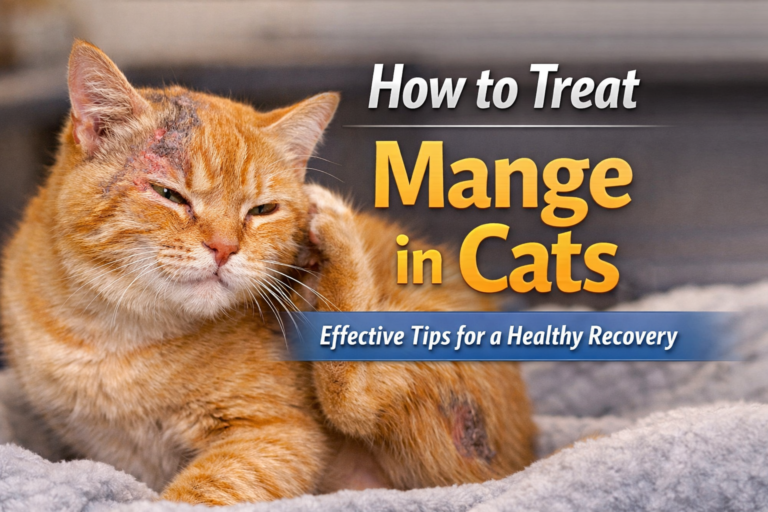
Mange in cats is a parasitic skin disease caused by microscopic mites that live on or under the skin. These mites irritate the skin, leading to intense itching, redness, and hair loss.how to treat mange in cats From a veterinary perspective, mange is one of the most common external parasite problems seen in cats, especially in weak or stray animals.
Pet owners often notice early signs such as scratching, patchy fur loss, and skin inflammation. Learning how to treat mange in cats early is very important because the condition can worsen quickly if ignored. In many clinical cases, early detection leads to faster recovery and fewer complications.
Types of Mange in Cats
There are different types of mange, and each requires a slightly different approach for treatment.
Ear Mites (Otodectic Mange)
Ear mites live inside the ear canal and cause itching, head shaking, and dark discharge.
Sarcoptic Mange
This type spreads quickly between animals and causes severe itching and skin irritation. It requires immediate medical attention.
Democratic Mange
This is less common and usually affects cats with weak immune systems, leading to patchy hair loss.
Understanding the type is essential for learning how to treat mange in cats effectively and safely.
Causes of Mange in Cats
Mange is caused by microscopic mites that spread through direct contact or contaminated environments. Cats can become infected through:
- Contact with infected animals
- Stray cats or outdoor exposure
- Contaminated bedding or surfaces
- Weak immune system
Even indoor cats can be affected if mites are brought into the home. Knowing the cause is the first step in how to treat mange in cats and preventing reinfection.
Symptoms of Mange in Cats
Recognizing symptoms early is critical for treatment success. Common signs include:
- Continuous scratching
- Hair loss in patches
- Red or inflamed skin
- Scabs and crusts
- Ear discharge in ear mite cases
In advanced cases, secondary bacterial infections may develop. Understanding these symptoms helps pet owners decide when to seek help and begin how to treat mange in cats properly.
Diagnosis of Mange in Cats
A proper diagnosis ensures correct treatment. Veterinarians usually perform:
- Skin scraping tests
- Microscopic examination
- Ear canal inspection
From a clinical veterinary standpoint, accurate diagnosis prevents incorrect treatment and speeds up recovery. Without proper diagnosis, learning how to treat mange in cats becomes ineffective because different mites require different medications.
How to Treat Mange in Cats (Vet-Recommended Methods)
The most effective way of managing this condition is through veterinary treatment. If you want to understand how to treat mange in cats, you must follow a structured medical approach.
Medical Treatments
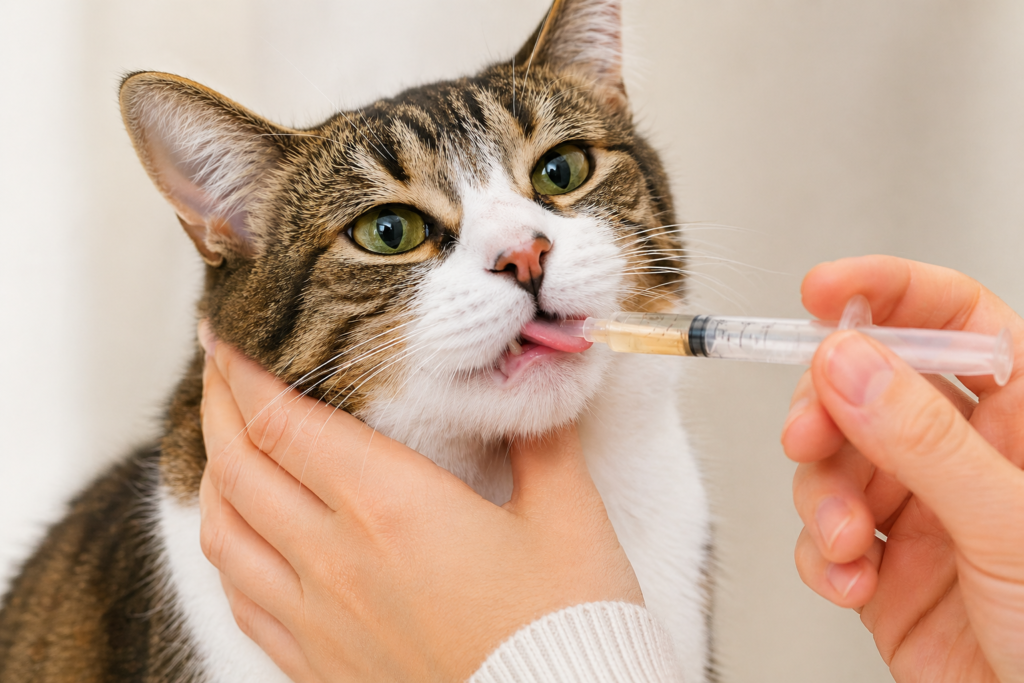
Veterinarians may prescribe:
- Anti-parasitic medications
- Ivermectin (only under vet supervision)
- Antibiotics for secondary infections
Topical Treatments
- Medicated shampoos
- Lime sulphur dips
- Anti-mite creams
Severe Cases
Advanced infections may require repeated treatments and follow-ups. In professional veterinary care, consistency is the key factor in how to treat mange in cats successfully.
How to Treat Mange in Cats at Home (Safe Supportive Care)
Home care supports medical treatment but cannot replace it. If you are learning how to treat mange in cats at home, focus on safe and supportive steps:
- Wash bedding regularly in hot water
- Clean living areas thoroughly
- Isolate infected cats
- Maintain hygiene in shared spaces
Avoid unverified home remedies, as they may worsen skin irritation. Veterinary experts strongly recommend combining home care with medical treatment for effective recovery.
Natural Remedies for Mange in Cats (Safe vs Unsafe)
Some pet owners look for natural solutions, but not all are effective.
Possible supportive options:
- Coconut oil (soothing effect only)
- Aloe Vera (mild irritation relief)
However, these do not kill mites. From a veterinary safety perspective, natural remedies should never replace medical treatment. They can only support healing while you follow proper how to treat mange in cats guidelines.
Cost of Treating Mange in Cats
Treatment cost varies depending on severity:
- Vet consultation
- Medications
- Follow-up visits
Early treatment is always more affordable. Delaying care makes how to treat mange in cats more complicated and expensive due to possible infections.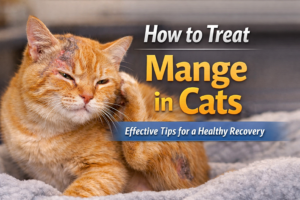
Risks of Untreated Mange in Cats
If ignored, mange can lead to serious health issues:
- Severe skin damage
- Secondary infections
- Hair loss
- Spread to other pets
Veterinary professionals warn that untreated mange significantly reduces a cat’s quality of life. Early action is essential when learning how to treat mange in cats.
How Long Does Mange Take to Heal in Cats?
Recovery depends on severity:
- Mild cases: 1–3 weeks
- Moderate cases: 3–6 weeks
- Severe cases: several months
Consistency in treatment plays a major role in recovery. Proper care ensures how to treat mange in cats becomes effective and results in full healing.
Is Mange Contagious?
Yes, some forms of mange are contagious:
- Can spread to other pets
- Some types may temporarily affect humans
- Close contact increases risk
Isolation is recommended during treatment. This is an important step in how to treat mange in cats safely and preventing spread.
Prevention of Mange in Cats
Preventing mange is easier than treating it:
- Regular grooming
- Clean environment
- Avoid contact with stray animals
- Routine vet checkups
Veterinary guidance confirms that strong hygiene and immunity reduce the risk of infection and future outbreaks.
Expert Tips for Faster Recovery
To improve healing:
- Follow full medication schedule
- Keep environment clean
- Provide balanced nutrition
- Monitor skin changes daily
These steps improve results when learning how to treat mange in cats and help prevent recurrence.
FAQs
Can mange go away on its own?
No, it requires proper treatment.
Is mange painful for cats?
Yes, it causes itching and discomfort.
Can indoor cats get mange?
Yes, through indirect contact.
What is the fastest way to cure mange in cats?
Veterinary treatment plus hygiene care.
Conclusion
Mange in cats is a treatable condition when managed early and correctly. Understanding symptoms, causes, and treatment options is essential for recovery. The most effective approach to how to treat mange in cats is a combination of veterinary care, proper hygiene, and preventive measures. With consistent treatment and attention, most cats recover fully and return to a healthy, comfortable life.