
Introduction (Hook + Quick Answer)
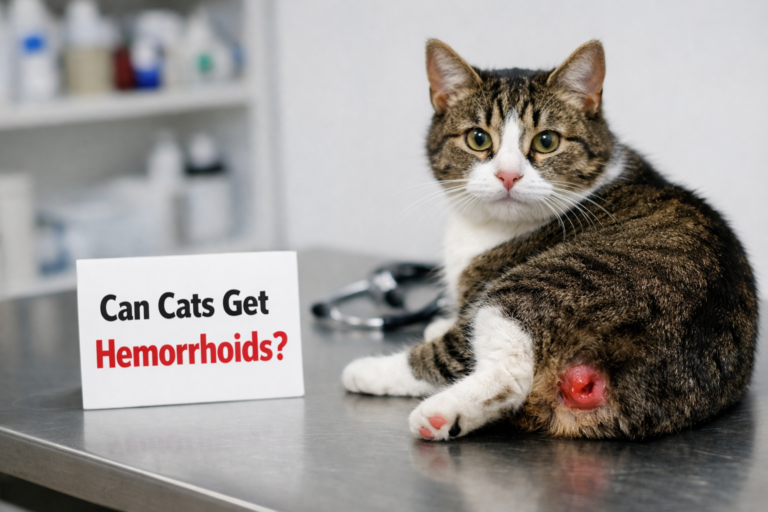
If you’ve noticed your cat scooting on the floor or constantly licking its bum, it can feel worrying. Many owners search “can cats get hemorrhoid’s” when they see a swollen anus in cats or signs of discomfort. The truth is simple: cats don’t usually get hemorrhoid’s like humans. However, they can develop anal gland problems in cats, rectal prolapse in cats, or other issues that look similar. If your cat has a swollen bum, redness, or irritation, don’t panic this guide will help you understand the real causes, symptoms, and how to treat anal gland issues in cats safely.
Do Cats Really Get Hemorrhoid’s?
Many people ask, can cats get hemorrhoid’s, but the answer is no. From a veterinary perspective, true hemorrhoid’s in cats are extremely rare due to their unique anatomy and posture. What looks like cat hemorrhoid’s is usually something else, like anal gland problems in cats or mild swelling. In clinical observations, vets more commonly diagnose anal gland issues or irritation rather than hemorrhoid’s. If you notice a swollen anus in cats or your cat scooting, it’s often linked to irritation, not hemorrhoid’s. Understanding this helps you choose the right care and avoid harmful treatments.
Why Your Cat’s Bottom Looks Swollen (Real Causes)
If your cat’s rear looks inflamed, there are a few common reasons behind it. Understanding these causes helps you target the right treatment.
Anal Gland Problems in Cats
The most common reason behind a cat swollen bum is anal gland problems in cats. These glands can become blocked, infected, or even form abscesses.Can Cats Get Hemorrhoid’s. This often leads to:
- Scooting behavior
- Strong odor
- Swelling near the anus
Rectal Prolapse in Cats
A rectal prolapse in cats happens when part of the rectum pushes outside the body. It may look like a red or pink tube coming out. This condition is serious and needs immediate veterinary care.
Inflammation (Protections)
Inflammation of the rectum, also called proctitis, can cause a swollen anus in cats. It’s often linked to infections, diet issues, or digestive problems.
Parasites & Digestive Issues
Worms, diarrhea, or constipation can irritate your cat’s anus. If your cat is dragging its bottom on the floor, parasites may be the cause.
Symptoms You Should NEVER Ignore
Your cat can’t tell you something is wrong, but its behavior will. Watch for these signs:
- Cat scooting on the floor
- Excessive licking of the anus
- Redness or swelling
- Bleeding from the anus
- Bad smell from the rear area
- Difficulty sitting or pooping
These symptoms often point to anal gland problems in cats or other underlying issues not hemorrhoid’s.
When Is It an Emergency?
Some situations require urgent care. Based on veterinary guidelines, early intervention can prevent serious complications.
Take your cat to the vet immediately if you notice:
- Continuous bleeding
- Severe swelling or pain
- Tissue coming out (possible rectal prolapse in cats)
- Your cat refuses to eat or move
Delaying treatment can worsen anal gland infections or lead to more serious health risks.
How to Treat Anal Gland Issues in Cats
If your cat is showing symptoms, treatment depends on the cause.
Vet Treatments
A veterinarian may:
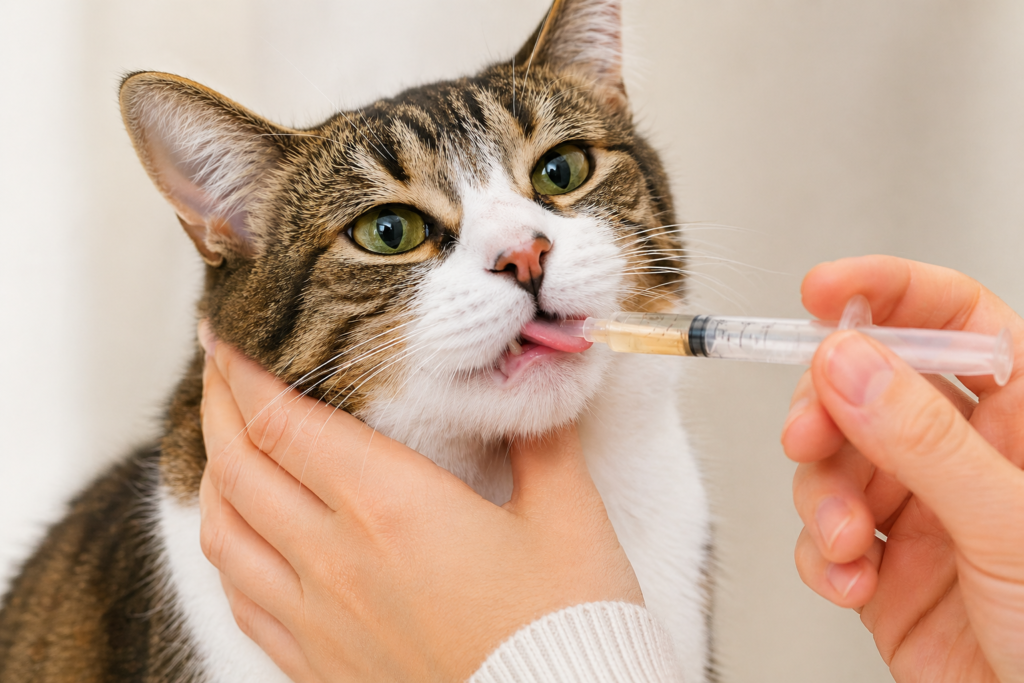
- Express (empty) the anal glands
- Prescribe antibiotics for infection
- Recommend anti-inflammatory medication
- Perform minor procedures if needed
Professional treatment is the safest way to handle moderate to severe anal gland problems in cats.
Home Care (Safe Options)
For mild cases, you can support your cat at home:
- Keep the area clean
- Use a warm compress to reduce swelling
- Improve diet with fiber-rich foods
- Ensure your cat drinks enough water
Many pet care experts suggest diet improvement as a long-term solution for preventing recurring issues.
What NOT to Do (Critical Mistakes)
Avoid these common mistakes:
- Don’t squeeze anal glands yourself without knowledge
- Don’t use human hemorrhoid’s creams on cats
- Don’t ignore early symptoms
Using the wrong treatment can make the condition worse or cause infection.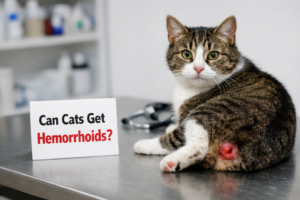
How to Prevent Anal Gland Problems in Cats
Prevention is always better than treatment. Here’s how you can protect your cat:
- Feed a balanced, fiber-rich diet
- Keep your cat hydrated
- Maintain a healthy weight
- Clean litter box regularly
- Monitor your cat’s bathroom habits
Consistent care greatly reduces the risk of anal gland problems in cats.
Why Cats Scoot or Drag Their Bottom
If your cat is dragging its bottom on the floor, it’s usually a sign of discomfort. Common causes include:
- Anal gland blockage
- Worms or parasites
- Irritation or infection
Scooting is one of the earliest warning signs don’t ignore it.
FAQs (Quick Answers)
Can I treat my cat at home?
Mild cases can be managed with hygiene and diet, but severe symptoms need a vet.
Why is my cat licking its bum so much?
This is often due to irritation, infection, or anal gland problems in cats.
Is this condition painful for cats?
Yes, swelling and infections can cause discomfort and pain.
Conclusion
So, can cats get hemorrhoid’s? No but they can develop conditions that look similar, like anal gland problems in cats or rectal prolapse in cats. The key is to recognize symptoms early and take the right action. By understanding your cat’s behavior and following proper care, you can keep your pet healthy and comfortable.
If you ever feel unsure, consulting a veterinarian is always the best and safest choice.Can Cats Get Hemorrhoid’s