
Can Cats Eat Ice Cream? A Complete Guide for Cat Owners
Introduction
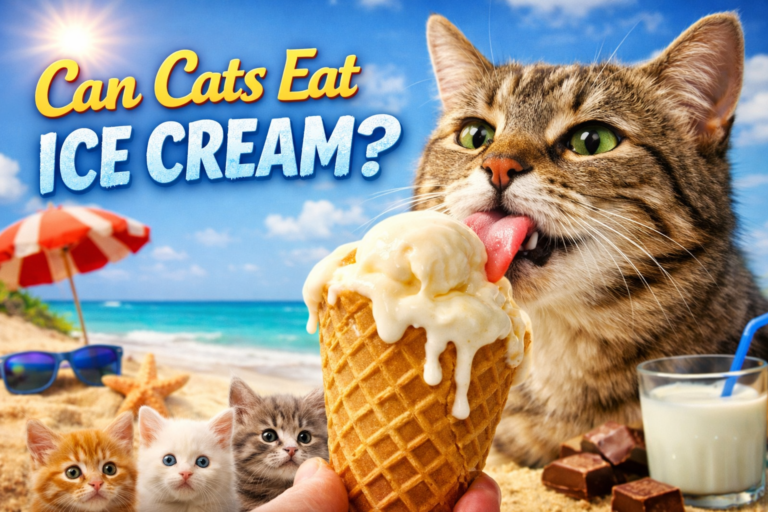
Many cat owners wonder, can cats eat ice cream or is ice cream safe for cats? The simple answer is no ice cream is not a healthy choice for cats. While your cat may seem curious about this sweet treat, most cats are lactose intolerant, meaning dairy products like ice cream can upset their stomach.Can Cats Eat Ice Cream. In addition, the high sugar and fat content can lead to digestive issues. If your cat has already tried ice cream, don’t panic. Small amounts are usually not dangerous, but it’s best to avoid making it a habit.
Is Ice Cream Safe for Cats
Many pet owners ask, is ice cream safe for cats? In reality, it is not a good option. Cats cannot properly digest dairy products due to lactose intolerance, which can lead to stomach upset. Based on common veterinary guidance and real experiences from cat owners, even small amounts of ice cream can cause digestive discomfort in cats. The sugar and fat in ice cream may also affect a cat’s long-term health. Most veterinarians recommend avoiding human desserts like ice cream and choosing species-appropriate treats instead.
Why Do Cats Like Ice Cream?
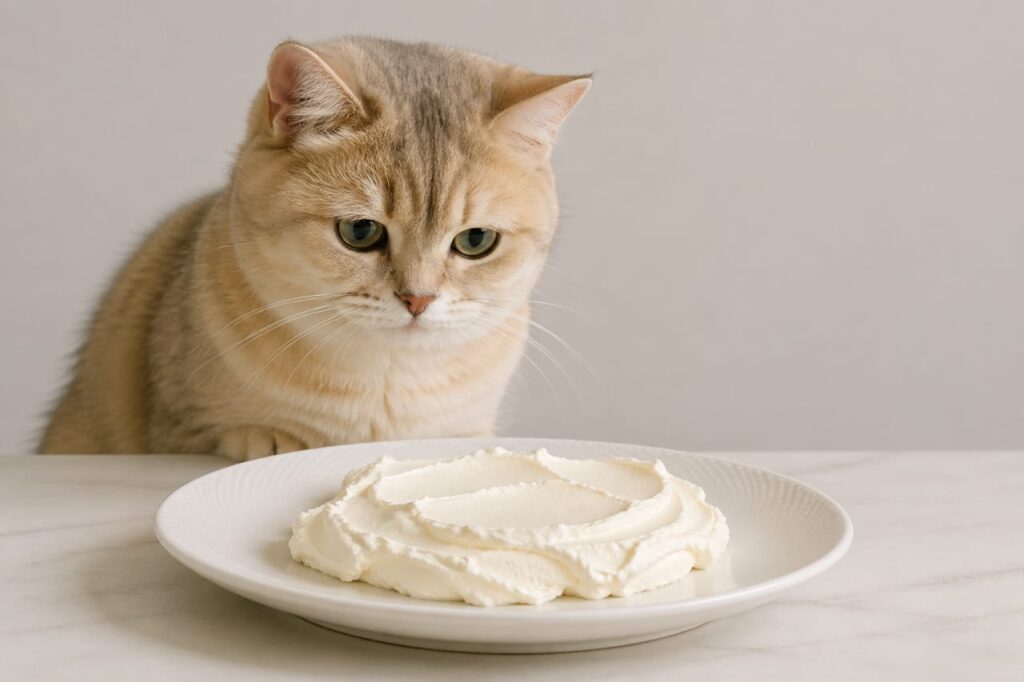
You may notice your cat showing interest in ice cream and wonder, why do cats like ice cream? Cats are not attracted to sweets like humans.Can Cats Eat Ice Cream. Instead, they are drawn to the high fat content and creamy texture. The smell of dairy can also be appealing. From a behaviour perspective, cats are naturally curious and may want to taste whatever their owners are eating. This curiosity often explains why cats eating ice cream seems common.
Why Ice Cream Is Bad for Cats
Lactose Intolerance in Cats
Most cats are lactose intolerant, meaning their bodies cannot properly break down milk products. This can lead to bloating, gas, and diarrhea.
High Sugar & Fat Content
Ice cream contains high levels of sugar and fat, which are not suitable for a cat’s diet and may lead to weight gain or other health issues.
Artificial Sweeteners (Toxic Risks)
Some ice creams contain artificial sweeteners like xylitol, which are extremely dangerous for pets.
Risk of Obesity & Diabetes
According to pet nutrition experts, frequent intake of sugary and high-fat foods can increase the risk of obesity and diabetes in cats.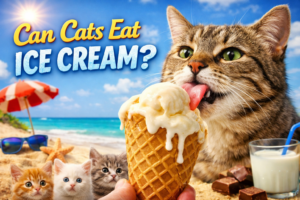
What Happens If a Cat Eats Ice Cream?
If you’re asking, what happens if a cat eats ice cream, the answer depends on the amount. Small amounts may cause mild digestive issues like vomiting or diarrhea. Larger amounts can lead to more serious discomfort. Many cat owners report temporary stomach upset after feeding dairy products, which aligns with known digestive sensitivities in cats.
Symptoms to Watch After Eating Ice Cream
After cats eating ice cream, watch for:
- Vomiting
- Diarrhea
- Gas or bloating
- Lethargy
- Loss of appetite
Veterinary advice suggests monitoring your cat closely for 24 hours if they consume dairy.
My Cat Ate Ice Cream-What Should I Do?
If your cat has eaten ice cream, stay calm.
- Offer fresh water
- Monitor symptoms
- Avoid feeding more human food
If symptoms worsen or last longer than a day, it is strongly recommended to consult a veterinarian for proper guidance.
Can Cats Eat Different Types of Ice Cream?
Vanilla Ice Cream
Even plain vanilla ice cream is not safe due to lactose and sugar.
Chocolate Ice Cream
Chocolate is toxic to cats and should be strictly avoided.
Sugar-Free Ice Cream
Sugar-free products may contain harmful sweeteners like xylitol.
Can Kittens Eat Ice Cream?
Kittens are even more sensitive than adult cats. Their digestive systems are still developing, making dairy products more harmful. Experts agree that kittens should never be given ice cream or similar human desserts.
Human Food for Cats-What’s Safe vs Unsafe?
Safe Foods (in small amounts):
- Cooked chicken
- Plain fish
- Boiled eggs
Unsafe Foods:
- Chocolate
- Onions and garlic
- Sugary desserts like ice cream
Veterinary nutrition guidelines emphasize that cats thrive best on a balanced, species-appropriate diet rather than human food.
Safe Alternatives to Ice Cream for Cats
Instead of ice cream, try:
- Cat-safe frozen treats
- Plain yogurt (in very small amounts, if tolerated)
- Homemade frozen cat snacks
Many pet experts recommend specially designed cat treats as a safer alternative.
Expert Advice
From a pet care perspective, ice cream does not provide any nutritional value for cats and may cause more harm than benefit. Experienced cat owners and veterinarians consistently advise avoiding dairy-based treats. A balanced diet designed specifically for cats is always the safest choice for long-term health.
Frequently Asked Questions (FAQ)
Can cats lick ice cream?
A small lick may not be harmful, but it’s not recommended.
How much ice cream can a cat eat?
Ideally none, as even small amounts can cause issues.
Are cats lactose intolerant?
Yes, most adult cats cannot digest lactose properly.
Conclusion
So, can cats eat ice cream? The answer is no it’s not safe or healthy. While a tiny amount may not cause serious harm, regular consumption can lead to digestive issues and long-term health problems. Following expert advice and choosing safe treats will help keep your cat happy and healthy.