
Are Sardines Good for Cats? Benefits, Risks & Safe Feeding Guide
Sardines can be a healthy and tasty treat for cats when offered the right way. Many pet owners ask, are sardines good for cats or can cats eat sardines safely–and the short answer is yes, but only in moderation. These small fish are rich in nutrients that support your cat’s overall health, yet there are also a few risks to keep in mind. In this guide, you’ll learn about the benefits of sardines for cats, possible concerns, and how to feed them safely so your feline can enjoy them without any problems.
Quick Answer: Can Cats Eat Sardines Safely?
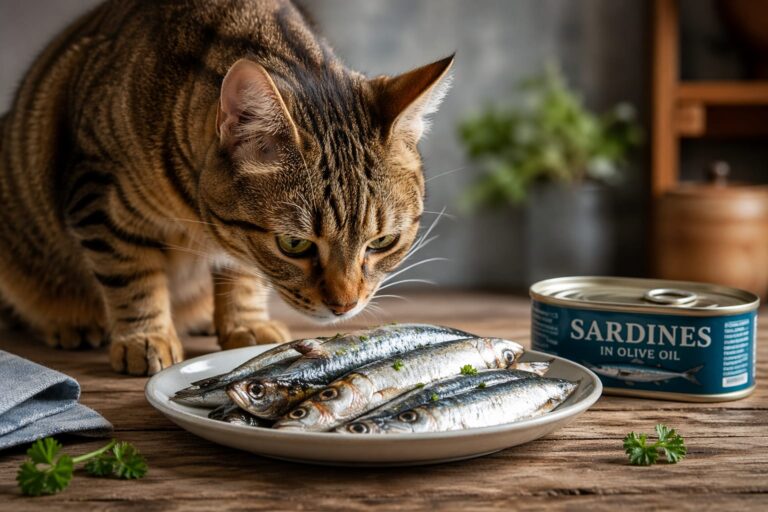
Yes, cats can eat sardines safely if they are given in moderation and prepared correctly. According to veterinary guidance, sardines for cats can be a nutritious addition due to their omega-3 fatty acids and high-quality protein, but overfeeding may lead to health issues like excess sodium or fat intake. The safest choice is plain sardines in water, with no added salt or seasoning.Are Sardines Good for Cats. If you’re wondering are canned sardines safe for cats, they can be-as long as you choose low-sodium options and avoid oil-packed varieties recommended by pet nutrition experts.
Nutritional Value of Sardines for Cats
Sardines are packed with nutrients that can support feline health.
- Omega-3 fatty acids (EPA & DHA)
- High-quality protein
- Calcium (from soft bones)
- Vitamin D and B12
From a nutritional standpoint, veterinarians often highlight sardines as a natural source of essential fatty acids that promote healthy skin and coat. Because of their small size, sardines also tend to have lower mercury levels compared to larger fish, making them a safer occasional treat.Are Sardines Good for Cats.
Health Benefits of Sardines for Cats
Feeding sardines in small amounts can offer several benefits:
1. Skin & Coat Health
Omega-3 fatty acids help reduce dryness and improve shine.
2. Heart Support
Healthy fats support cardiovascular function.
3. Anti-inflammatory Effects
Helpful for older cats or those with joint discomfort.
4. Brain Function
Supports cognitive health, especially in senior cats.
Experts in pet nutrition emphasize that sardines benefits for cats are most noticeable when they are used as a supplement-not a main diet.
Risks of Feeding Sardines to Cats
While sardines are beneficial, there are also risks of feeding sardines to cats that you should understand.
High Sodium
Canned sardines often contain salt, which can harm cats if consumed in excess.
Oil Content
Sardines in oil can lead to weight gain or digestive upset.
Overfeeding
Too many sardines may cause diarrhea or imbalance in diet.
Mercury Concerns
Although low, excessive fish intake can still pose risks.
Veterinary experts consistently recommend moderation because even healthy foods can become harmful when overfed.
Hidden Dangers Most Owners Ignore
This is where most competitors fail and where you gain an edge.
- Flavoured sardines may contain garlic/onion (toxic to cats)
- Preservatives in canned fish
- BPA lining in cheap cans
- Spoiled fish leading to food poisoning
From an expert perspective, ingredient labels are just as important as the food itself when deciding if sardines are safe for cats.
How Many Sardines Can a Cat Eat?
Portion control is critical.
- Small cats: ½ sardine
- Medium cats: 1 sardine
- Large cats: 1–2 sardines
Frequency: 1–2 times per week
If you’re asking how many sardines can a cat eat, the answer depends on size and overall diet. Veterinary feeding guidelines suggest treats should not exceed 10% of a cat’s daily calorie intake.
Best Types of Sardines for Cats
Not all sardines are equal.
Best Options:
- Sardines in water
- No added salt
- Fresh or frozen sardines
Avoid:
- Sardines in oil
- Sardines in sauce
- High-sodium canned sardines
If you’re wondering can cats eat sardines in oil, it’s best to avoid them due to excess fat.
Worst Types of Sardines to Avoid
- Sardines in brine (too salty)
- Flavoured sardines
- Spicy or seasoned fish
- Cheap processed brands
Pet nutrition experts strongly advise avoiding any human-flavoured fish products when feeding cats.
How to Safely Prepare Sardines for Cats
Follow these steps:
- Choose sardines in water
- Rinse to remove excess sodium
- Remove excess oil (if any)
- Serve in small pieces
Proper preparation ensures that sardines for cats remain a safe and beneficial treat rather than a health risk.
Real Feeding Examples
Here’s how it works in real life:
- Small indoor cat – ½ sardine once a week
- Active large cat – 1 sardine twice a week
Experienced pet owners often use sardines as an occasional topper to enhance appetite without replacing balanced cat food.
Sardines vs Tuna: Which Is Better for Cats?
Many people compare sardines vs tuna.
| Factor | Sardines | Tuna |
|---|---|---|
| Mercury | Low | Higher |
| Omega-3 | High | Moderate |
| Safety | Safer | Riskier long-term |
Conclusion: Sardines are generally safer.
Can Cats Be Allergic to Sardines?
Yes, although rare.
Signs include:
- Vomiting
- Itching
- Diarrhea
Veterinary advice suggests introducing new foods slowly to monitor any allergic reactions.
When to Avoid Sardines
Avoid sardines if your cat has:
- Kidney disease
- Obesity
- Sensitive digestion
In such cases, always consult a veterinarian before adding new foods to your cat’s diet.
Signs Your Cat Ate Too Many Sardines
Watch for:
- Loose stool
- Vomiting
- Lethargy
- Loss of appetite
If symptoms persist, seek veterinary help.
Frequently Asked Questions
Can cats eat sardines every day?
No, it’s not recommended. Moderation is key.
Are canned sardines safe for cats?
Yes, but only low-sodium and water-packed options.
Can kittens eat sardines?
Yes, in very small amounts occasionally.
Are sardines better than tuna for cats?
Yes, due to lower mercury and higher nutrients.
Final Verdict: Are Sardines Good for Cats?
So, are sardines good for cats? Yes when fed properly, they can be a nutritious and beneficial treat. They provide essential omega-3 fatty acids, protein, and important nutrients that support your cat’s overall health. However, understanding the risks of feeding sardines to cats is just as important as knowing the benefits.
According to veterinary experts, the key is moderation, proper preparation, and choosing the right type of sardines. When used wisely, sardines can be a healthy addition to your cat’s diet without causing harm.