
Introduction
Have you ever felt your cat gently pressing its paws into your lap or a soft blanket and wondered, “Why do cats make biscuits?” This curious behavior, also known as cat kneading behavior, is more than just a quirky habit—it reveals a lot about your feline friend’s emotions, instincts, and overall well-being. Many cat owners notice kneading on soft surfaces, humans, or even furniture, and may wonder what it truly signifies. As a certified feline behavior specialist, I can assure you that understanding this behavior helps you interpret affection, comfort, and instinctive needs in your cat. In this guide, we’ll explore the science, emotional reasons, and practical tips behind why cats make biscuits, helping you better understand your furry companion.
What Does “Making Biscuits” Mean?
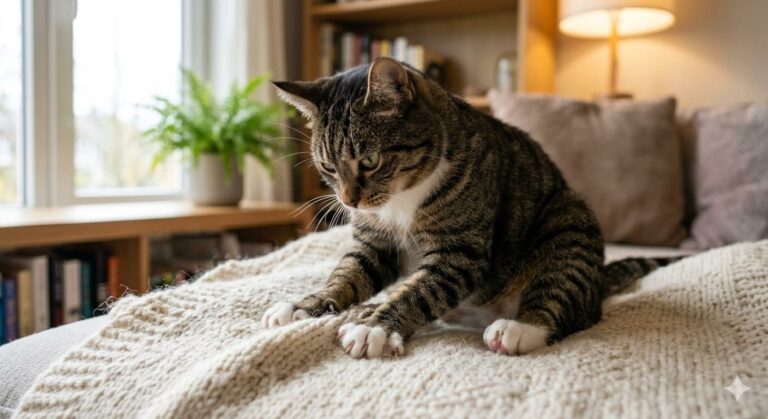
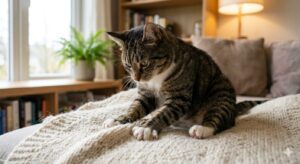
“Making biscuits” is a playful term for cat kneading behavior, where cats rhythmically push their paws into soft surfaces. This instinctive action often begins in kitten-hood, when kittens knead their mother’s belly to stimulate milk flow. Adult cats continue this behavior for comfort, stretching, and expressing affection. As a certified feline behavior specialist, I can confirm that observing this behavior provides valuable insight into your cat’s emotional state, helping owners distinguish between normal kneading and signs of stress. Understanding why cats make biscuits allows owners to better interpret their cat’s emotions and bond more deeply.Why Do Cats Make Biscuits
The Science Behind Kneading
Kneading behavior in cats has a scientific foundation rooted in early life instincts. When kittens nurse, they knead to stimulate milk production. As adults, cats continue cat kneading behavior for comfort, stretching muscles, and releasing feel-good chemicals like dopamine. Research from veterinary behaviourist shows that kneading also serves as a self-soothing and stress-relief mechanism, helping cats relax and regulate emotions.Why Do Cats Make Biscuits. Observing why cats make biscuits allows owners to understand the physical and emotional benefits, including muscle stretching, relaxation, and overall cat health indicators.
Emotional & Behavioural Reasons Cats Knead
Cats don’t knead just out of habit. Kneading behavior is a clear form of emotional communication. When a cat kneads, it often indicates comfort, safety, and trust. Kneading on humans is a common way cats show affection and bonding, while kneading blankets or furniture provides emotional satisfaction. Veterinary experts explain that kneading may also be a stress-relief mechanism, reducing anxiety and helping cats feel secure. By understanding cat kneading behavior explained, owners can recognise positive emotional cues and foster stronger bonds with their feline companions.Why Do Cats Make Biscuits.
Kneading and Territory
Cats have scent glands in their paws, making kneading behavior in cats a subtle method of marking territory. By pressing their paws onto surfaces, cats leave pheromones, signalling ownership and comfort. As a cat behavior expert, I can attest that recognising this instinctive behavior helps owners interpret territorial and emotional cues, especially in multi-cat households. Why cats make biscuits on humans can also be a combination of marking and seeking comfort, showing that the cat feels safe in your presence.
Kneading Across Cat Life Stages
Kneading behavior varies depending on a cat’s age and experience. Kittens knead primarily to stimulate milk flow and develop early bonding instincts. Adult cats often knead to relax, stretch, or show affection. Older cats may knead less frequently but still demonstrate it in comfortable settings or during grooming rituals. Understanding these variations in cat kneading behavior explained allows owners to adapt their interactions based on life stage, providing reassurance and environmental enrichment.
When Kneading Can Become a Problem
While kneading is generally normal, it can become problematic in some cases:
Excessive kneading may indicate anxiety or obsessive behavior.
Kneading with sharp claws can damage furniture or hurt humans.
Signs of discomfort, such as vocalising while kneading, may indicate pain or underlying health issues.
Veterinary studies suggest monitoring unusual kneading patterns to ensure emotional and physical well-being. Redirecting cat kneading behavior to blankets, soft pads, or designated surfaces can protect both your cat and your home.
Practical Tips for Cat Owners
To make kneading a positive experience for both owner and cat:
Offer designated kneading surfaces, like soft blankets or cushions.
Trim claws regularly to reduce scratching during kneading.
Observe patterns to understand why cats make biscuits at specific times.
Redirect excessive kneading with toys or interactive play to prevent furniture damage.
By following these strategies, owners can manage kneading behavior while respecting their cat’s instincts, promoting a harmonious living environment.
Lesser Known Facts About Cat Kneading
Pre-sleep kneading: Cats often knead before lying down, inherited from wild ancestors who prepared nests.
Breed-specific tendencies: Some breeds, like Rag dolls, knead more frequently than others.
Kneading and purring connection: Many cats knead while purring, indicating emotional satisfaction and comfort.
Cultural myths: Kneading has historically been associated with good luck or magical feline abilities in folklore.
Understanding these unique aspects of cat behavior gives owners a richer insight into their pets’ instincts and personality.
FAQs
Q1: Why do cats knead blankets but not people?
A: Some cats reserve kneading for soft objects, while others associate humans with affection. Both behaviour reflect comfort and bonding.
Q2: What does it mean when a cat kneads you?
A: Kneading on humans is a sign of trust, security, and emotional connection, rooted in kitten hood instincts.
Q3: Should I be concerned if my cat kneads too much?
A: Excessive kneading can indicate stress, anxiety, or discomfort. Observe patterns and consult a vet if it seems abnormal.
Q4: Why does my cat knead before sleeping?
A: Pre-sleep kneading helps cats prepare a comfortable resting spot, mimicking ancestral nesting behavior.
Conclusion
Why cats make biscuits is a fascinating combination of instinct, emotional communication, and physical needs. Cat kneading behavior reflects affection, comfort, and bonding, while also providing benefits like muscle stretching and stress relief.Why Do Cats Make Biscuits. Understanding these behaviours allows owners to strengthen relationships with their cats, provide appropriate surfaces, and ensure emotional and physical well-being. As a certified feline behavior specialist, I recommend observing and respecting this natural behavior, using it as an opportunity to better understand your cat’s emotions and instincts. By recognising the meaning behind kneading, you can create a safe, enriching, and loving environment where your feline companion thrives.