
Every cat owner wants their pet to live a long, happy, and healthy life. Cats may be independent animals, but they still need daily care, structure, and attention to stay well. A good routine helps them feel safe, reduces stress, and keeps their body in good shape. Creating a healthy routine does not have to be complicated. With small, simple steps every day, you can hugely improve your cat’s overall well-being.
In this blog-style guide, we will walk through a complete daily routine for cats—from morning to night—using simple words so every cat owner can follow easily.
Morning Routine: Start the Day Right
1. Fresh Water Every Morning
Begin your cat’s day by giving fresh, clean water. Many cats avoid drinking if the water tastes old or dusty. Low water intake can lead to kidney or urinary problems. Use a clean bowl, and refill it every morning. If your cat does not drink much, try a water fountain. Cats love moving water because it feels fresher.
2. Serve a Healthy Breakfast
Cats like predictable meal times. Feeding them at the same time daily creates stability. Choose good-quality cat food that contains the nutrients they need, especially protein and taurine. You can give:
- Wet food
- Dry food
- A mix of both
Make sure you serve the right amount for your cat’s age and weight. Avoid feeding human food or extra snacks in the morning.
3. Short Play Session to Wake Up Muscles
After breakfast, give your cat a quick play session—just 5 to 10 minutes. This helps them use energy, stretch, and stay mentally active. Try:
- Wand toys
- Feather toys
- Laser pointers
- Crinkle balls
Even a small amount of morning play helps prevent boredom and obesity.

Mid-Day Routine: Keep Your Cat Comfortable and Busy
Most people are out of the house during the day, but your cat still needs comfort and stimulation.
1. Provide a Cory Resting Spot
Cats spend most of their day sleeping—usually 12–16 hours. Make sure they have a warm, quiet resting area. A soft bed near a window, a cushioned chair, or a sunny corner can be perfect. A calm environment helps reduce stress.
2. Leave Toys for Solo Play
Cats get bored easily, which can lead to destructive behaviour. Leave safe toys for them to play with alone, such as:
- Toy mice
- Puzzle feeders
- Catnip toys
- Balls that roll
- Scratches
Puzzle toys are especially helpful because they challenge your cat’s mind and keep them busy.
3. Keep the Litter Box Clean
A clean litter box is essential for a healthy cat. Scoop it once or twice a day. A dirty litter box can cause stress or even urinary problems. Place it in a quiet area of your home.
Tip: If you have more than one cat, use one litter box per cat plus one extra.
Evening Routine: Bonding and Activity Time
Evening is when most cats are active and playful. This is the perfect time to strengthen your bond with your cat.
1. Serve a Balanced Dinner
Feed your cat their second meal at the same time every evening. Routine feeding prevents overeating and helps manage weight. Stick to cat food, not table food. Many human foods can upset your cat’s stomach or even be toxic.
2. Main Play Session (15–20 Minutes)
Your cat needs daily exercise to stay fit and healthy. A longer play session at night helps burn energy and prevents night-time zombies.
Try:
- Wand toys that mimic hunting
- Laser pointer (always end with a toy they can “catch”)
- Small balls thrown across the room
- Climbing activities with a cat tree
Regular play helps lower stress, supports weight management, and strengthens your bond.
3. Gentle Grooming
Spend a few minutes brushing your cat. Grooming offers many benefits:
- Reduces shedding
- Cuts down hairballs
- Keeps coat shiny
- Helps you notice skin problems early
- Builds trust and connection
Long-haired cats need more grooming, but even short-haired cats benefit from brushing.
Night Routine: Peace and Comfort
Cats may be awake several times during the night, but a peaceful night routine helps them stay calm.
1. Create a Calm Sleeping Area
Offer a quiet sleeping spot with a soft bed or blanket. Some cats prefer sleeping high, while others like cozy, low spaces. Let your cat choose what they like best.
2. Give Fresh Water Again
A quick refill of water at night helps keep your cat hydrated, especially if they eat dry food.
3. Provide Night-Time Toys
Cats sometimes wake up to play. Leave safe toys and a scratching post nearby to avoid nighttime meowing or scratching of furniture. This keeps them entertained without disturbing your sleep.
Weekly Healthy Habits
Daily routines keep your cat stable, but some tasks only need to be done once a week.
1. Deep-Clean the Litter Box
Once a week:
- Empty the entire box
- Wash with mild soap
- Add fresh litter
This helps prevent odours and infections.
2. Clean Food and Water Bowls
Bacteria can build up in bowls. Wash them with warm, soapy water at least once a week.
3. Quick Home Health Check
Each week, check:
- Eyes (clear, no discharge)
- Ears (clean, no smell)
- Coat (shiny, no bald spots)
- Body weight
Small problems found early are easier to fix.
Monthly Healthy Habits
Some things only need to be done once every few weeks.
1. Nail Trimming
Trim your cat’s nails every few weeks. Long nails can cause pain, get stuck in furniture, or lead to injury. If you’re unsure how, ask your vet or groomer.
2. Flea and Tick Prevention
Even indoor cats need monthly flea treatments. Fleas can come in through doors, shoes, or other pets.
3. Weigh Your Cat
Gently check your cat’s weight. You should feel the ribs but not see them. Sudden weight loss or gain is a health warning.
Yearly Routine: Vet Visits and Vaccines
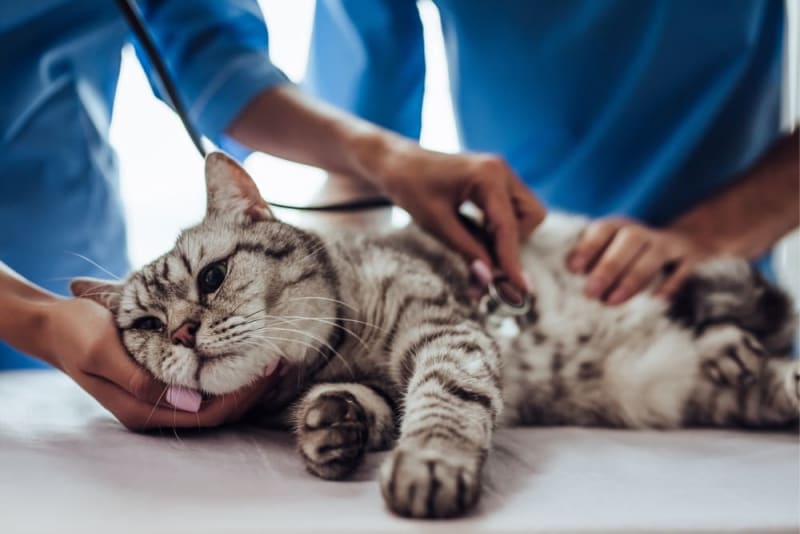
1. Annual Vet Checkup
A yearly visit helps monitor:
- Weight
- Teeth
- Heart and lungs
- Skin and coat
- Overall health
Older cats should see the vet twice a year.
2. Vaccinations
Vaccines protect against:
- Cat flu
- Distemper
- Feline leukaemia (if needed)
Vaccination is one of the strongest ways to prevent serious diseases.
Emotional and Mental Health Routine
Physical health is not the only important thing—cats also need emotional support.
1. Spend Quality Time Together
Talk to your cat, pet them, or sit with them. Cats may act independent, but they love attention from their Favorited humans.
2. Offer Hiding Spots
Cats feel safe when they have places to hide. Boxes, tunnels, shelves, or covered beds help them feel secure.
3. Keep Stress Low
Stress can cause sickness. Keep your home calm, avoid loud noises, and introduce new pets or people slowly.
Feeding Tips for a Healthy Routine
Food plays a big part in your cat’s daily health.
- Use measured portions to avoid weight gain
- Do not change food suddenly
- Give limited treats
- Kittens need kitten food
- Senior cats may need special diets
Good nutrition keeps your cat energetic and strong.
Signs to Watch For
Even with a perfect routine, you should look out for changes such as:
- Not eating
- Sleeping too much
- Vomiting often
- Diarrhoea
- Sudden weight change
- Limping
- Hiding more
- Coughing
If you notice these signs, contact your vet early.
Conclusion
A daily routine is one of the best gifts you can give your cat. Fresh water, regular meals, clean litter, playtime, grooming, and a calm environment all help your cat stay healthy and happy. Add weekly and monthly habits—and yearly vet visits—and you give your cat a strong foundation for a long, joyful life.