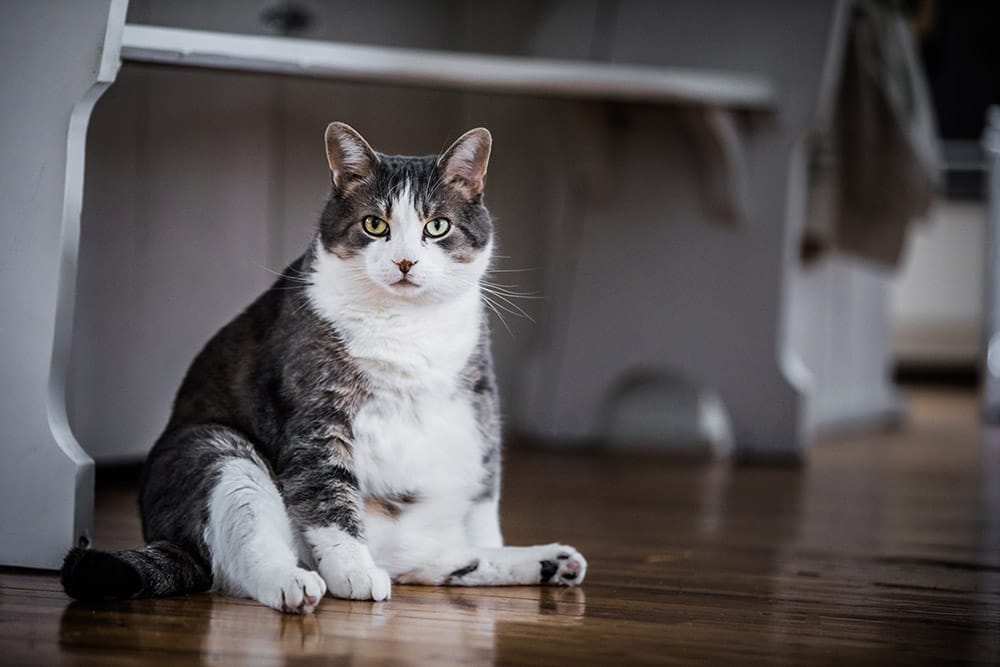

Vomiting in cats is very common, but it always worries cat owners. Sometimes the cause is small and harmless, and other times it may be a sign of a health problem. Cats vomit for many reasons — from hairballs to eating too fast to infections. This article explains, in simple words, why cats vomit and what you can do to help them. Understanding the cause will help you take better care of your cat and know when it’s time to visit a vet.
Is Vomiting Normal in Cats?
Cats vomit more often than many other pets. One small vomit once in a while is usually not dangerous. For example, a cat may vomit a hairball once every few weeks, and that can be normal.
But vomiting becomes a problem when:
- It happens often
- The cat seems weak or sick
- The vomit has blood
- There is diarrhoea together with vomiting
- The cat stops eating
- The cat is a kitten or elderly
In these cases, you should look for the cause and find a solution quickly.
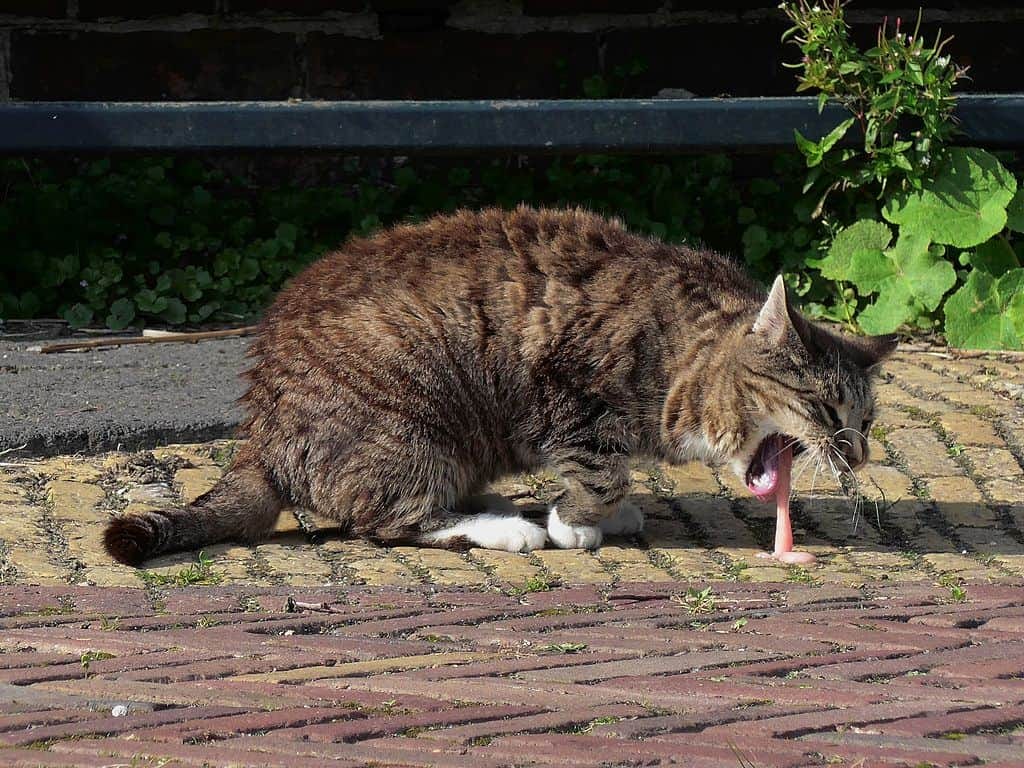
Common Causes of Vomiting in Cats
Here are the most common reasons why cats vomit:
1. Hairballs
This is the number one reason cats vomit. Cats groom themselves by licking their fur. The loose fur goes into their stomach. Some fur comes out when they poop, but too much fur forms a hairball.
Signs of hairballs:
- Cat makes coughing or gagging sounds
- Long-haired cats vomit hairballs more often
- Cat may vomit food or foam before a hairball
Solution:
Brush your cat often, especially long-haired cats. You can also give hairball gel or special hairball-control food.
2. Eating Too Fast
Some cats eat very fast, swallow air, and then vomit soon after.
Signs:
- Vomits soon after eating
- Undigested food in vomit
- Greedy eating behaviour
Solution:
Give smaller meals more times a day. Use a slow-feeder bowl or spread the food on a flat plate.
3. Sudden Change of Food
Changing your cat’s food too quickly can upset the stomach.
Signs:
- Vomiting after switching food
- Soft stool or diarrhoea
Solution:
Always change food slowly over 7–10 days. Mix the new food with the old food and increase gradually.
4. Eating Something They Should Not Eat
Cats sometimes eat:
- Grass
- Plastic
- Strings or threads
- Small toys
- Spoiled food
- Human food that is unsafe
These things can irritate the stomach or even cause blockage.
Solution:
Keep dangerous objects out of reach. If your cat eats something harmful or cannot keep food down, go to the vet quickly.
5. Stomach Infection or Parasites
Bacteria, viruses, or parasites like worms can cause vomiting.
Other signs:
- Diarrhoea
- Weight loss
- Weakness
- Loss of appetite
Solution:
A vet will check and give medicine. Regular deforming helps prevent parasite-related vomiting.
6. Food Allergy or Food Intolerance
Some cats are sensitive to certain ingredients like chicken, beef, grains, or dairy.
Signs:
- Vomiting often
- Itchy skin
- Ear infections
- Gas or diarrhoea
Solution:
Try a different protein source (like turkey or fish). Use hypoallergenic or sensitive-stomach food recommended by a vet.
7. Poison or Toxic Plants
Some household plants, chemicals, or foods are toxic to cats.
Dangerous items include:
- Lilies (very poisonous!)
- Cleaning products
- Human medicines
- Chocolate, onions, garlic, grapes
- Insect sprays
Solution:
Keep all toxic items away. If you suspect poisoning, go to the vet immediately.
8. Motion Sickness
Just like humans, some cats get sick while travelling in a car.
Signs:
- Vomiting during or after car ride
- Drooling
- Restlessness
Solution:
Use a secure carrier. Keep the car cool and calm. For long trips, ask a vet for anti-motion-sickness medicine.
9. Stress or Anxiety
Stress affects cats’ stomachs easily.
Causes of stress:
- New home
- New pets
- Loud noises
- New people
- Change in routine
Signs:
- Vomiting
- Hiding
- Not eating
- Over-grooming
Solution:
Create a quiet space, use calming sprays, keep routine stable, give extra love and comfort.
10. Serious Illnesses
Sometimes vomiting can be a sign of a serious medical problem such as:
- Kidney disease
- Liver disease
- Pancreatitis
- Diabetes
- Intestinal blockage
- Hyperthyroidism
- Cancer
Signs of serious illness:
- Persistent vomiting
- Extreme thirst
- Weight loss
- Weakness
- No appetite
- Blood in vomit
- Pale gums
Solution:
Go to a vet as soon as possible. Blood tests, X-rays, or scans may be needed.
Types of Vomit and What They Mean
Different types of vomit can give clues about the cause.
1. Vomiting Clear Liquid or Foam
Often caused by:
- Empty stomach
- Hairballs
- Acid build-up
2. Vomiting Food
Often caused by:
- Eating too fast
- Food intolerance
- Sudden food change
3. Yellow Vomit
This is bile, which means:
- Stomach empty for too long
- Acid reflex
- Hunger vomiting
4. Green Vomit
May be:
- Bile
- Eating plants
- Serious stomach issue
5. Bloody Vomit
This is serious and needs vet care immediately.
What You Can Do at Home
1. Give Your Cat a Short Break From Food
Give a 6–8 hour break (only for adult cats).
Kittens should not fast — it is dangerous for them.
2. Keep Water Available
Let your cat drink small amounts of water but not too much at once.
3. Try a Bland Diet
Give easy-to-digest foods like:
- Boiled chicken (no bones, no spices)
- Plain rice
- Special stomach-care cat food
4. Brush Regularly
Reduce hairballs by brushing your cat a few times a week.
5. Feed Small Meals
Smaller meals can help prevent vomiting, especially in greedy eaters.
6. Keep Your Home Safe
Remove dangerous plants, strings, and small objects.
When to Visit a Vet
You should take your cat to the vet if:
- Vomiting continues for more than 24 hours
- Your cat is weak or tired
- There is blood in vomit
- The belly looks swollen
- Your cat is dehydrated
- Your cat is not eating
- Your cat is a kitten or senior
- Vomiting happens often even if mild
Quick action can save your cat’s life, especially if the cause is serious.
How to Prevent Vomiting in the Future
✔ Regular grooming to reduce hairballs
✔ Feed good-quality food
✔ Avoid sudden diet changes
✔ Keep toxic items away
✔ Give clean water daily
✔ Deworm regularly
✔ Reduce stress in the home
✔ Use slow-feeder bowls for fast eaters
A stable, calm routine keeps your cat healthy and happy.
Conclusion
Cats vomit for many reasons — some simple, some serious. Hairballs, eating too fast, food changes, stress, and stomach infections are among the most common causes. Many minor issues can be solved at home with small changes, like slow-feeder bowls, grooming, or gentle diet adjustments. But frequent or severe vomiting can be a sign of a deeper health problem and needs fast veterinary care.