
Bringing a new kitten home is an exciting and joyful moment. Kittens are full of energy, curiosity, and playfulness. But to grow healthy and strong, they need the right food. Feeding a kitten is not the same as feeding an adult cat. Their small bodies grow very fast, and they need more nutrients, more protein, and more calories. Choosing the best food for your kitten will help it stay active, happy, and healthy. In this article, we will talk about the best types of food for kittens, what nutrients they need, how often to feed them, and what foods to avoid. All information is written in simple words to make it easy to understand.
Why Kitten Nutrition Is Important
Kittens grow quickly in the first year of life. Their bones, muscles, brain, and immune system develop at a fast rate. To support this growth, they need special nutrition that has a balance of protein, fat, vitamins, and minerals. Feeding your kitten adult cat food or homemade food without the right nutrients can cause slow growth, weak bones, or health problems later in life.
Proper kitten food helps with:
- Strong bones and teeth
- Good eyesight and brain development
- Healthy muscles
- Strong immune system
- Shiny coat and healthy skin
- Energy for play and learning
When a kitten gets the right food, it grows into a healthy adult cat with fewer health issues.
Types of Food for Kittens
There are three main types of kitten food: dry food, wet food, and homemade food. Some cat owners also use a mix of these. Let’s look at each type.
1. Dry Food (Kibble)
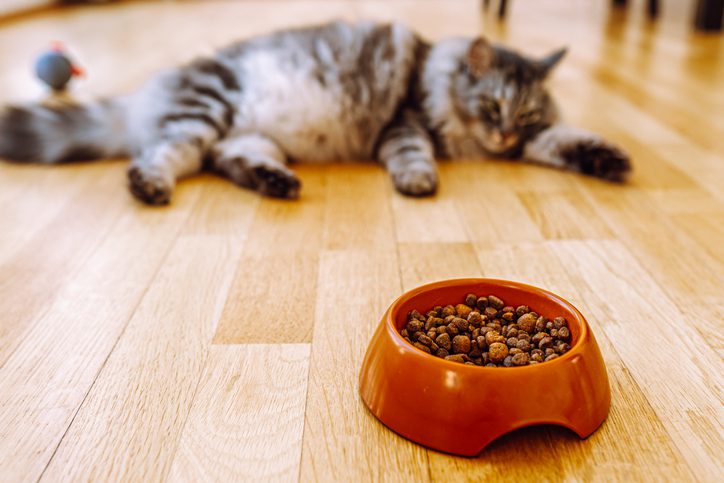
Dry food is one of the most common foods for kittens. It comes in small crunchy pieces and can be left out all day without spoiling.
Advantages:
- Easy to store
- Can stay in the bowl all day
- Helps keep teeth cleaner
- Usually cheaper than wet food
Disadvantages:
- Lower water content
- Some kittens find it harder to chew when very young
Dry food can be a good option, but make sure the label says “Kitten Formula” or “For Growth”. Kitten formulas contain more protein and fat, which they need.
2. Wet Food (Canned Food)
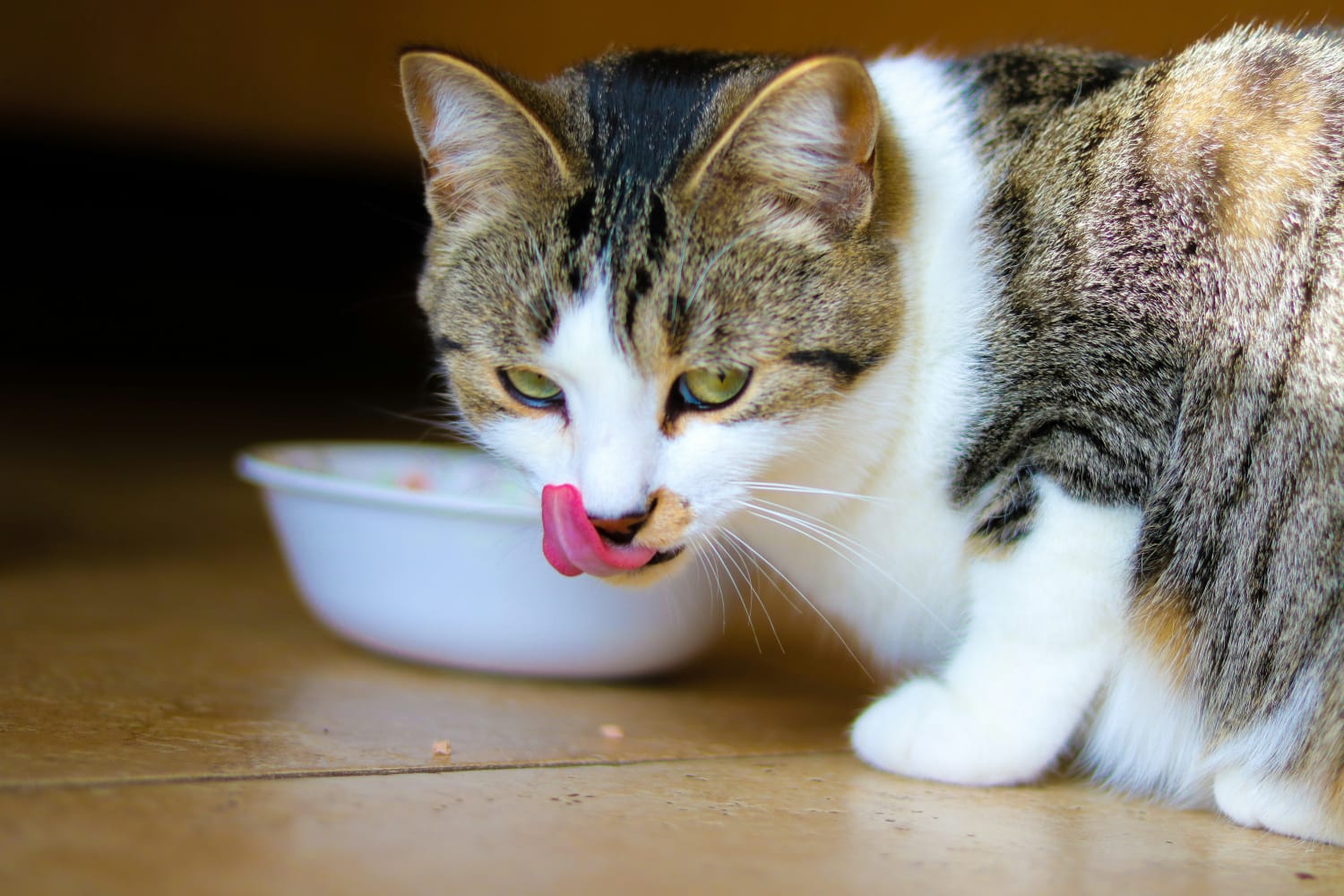
Wet food has high moisture and is soft, making it easy for kittens to eat.
Advantages:
- High water content helps keep kittens hydrated
- Easier to chew
- Often more tasty for kittens
- Good for kidney health later in life
Disadvantages:
- More expensive
- Cannot be left out for long
- Can spoil faster
Wet food is great for small kittens who are just starting to eat solid food because it is soft and smells strong, attracting them to eat.
3. Homemade Food
Some people want to make their kitten’s food at home. While this shows love, homemade food can be risky if not balanced properly. Kittens need very specific nutrients, and it is hard to provide everything with home cooking unless you follow a recipe from a veterinarian.
If you choose homemade food, it must include:
- Protein (chicken, turkey, fish)
- Fat
- Essential vitamins like A, D, E
- Minerals like calcium and phosphorus
- Amino acids like (very important!)
Most homemade meals do not have enough a nutrient that cats need to prevent blindness and heart problems. That is why it is safer to use commercial kitten food unless you work with a vet.
What Nutrients Kittens Need
Good kitten food must contain the right balance of nutrients. Here are the most important ones:
1. Protein
Protein builds muscles, bones, and organs. Kittens need a high amount of protein from animal sources like chicken, fish, and beef. Kitten food usually contains 30–40% protein.
2. Fat
Fat gives energy and helps the body absorb vitamins. It also keeps the kitten’s coat shiny. Good kitten food contains 18–25% fat. is an essential amino acid that cats cannot make on their own. It keeps the heart and eyes healthy. All commercial kitten foods have but many homemade diets do not.
4. Vitamins and Minerals
Kittens need vitamins A, D, E, and B-complex for healthy growth, as well as minerals like calcium and phosphorus for strong bones and teeth.
5. Water
Water is very important for digestion, kidney health, and overall body function. This is why mixing wet and dry food is often a good idea.
How Often Should You Feed a Kitten?
Kittens need to eat more often than adult cats because their stomachs are small but their energy needs are high.
Here is a simple guide:
2–4 months old
- 4 meals per day
- They are growing fast and need frequent feeding
4–6 months old
- 3 meals per day
- Energy needs are still high
6–12 months old
- 2–3 meals per day
- You can slowly switch to adult food at around 12 months
Always follow the feeding instructions on the food package. Every kitten is different, so you may need to adjust based on their size and activity.
Mixing Wet and Dry Food
Many cat owners choose to give a mix of wet and dry food. This is actually a great option because:
- Kittens get enough water from the wet food
- They get the crunchy texture from the dry food
- It balances cost and nutrition
For example, you can give wet food in the morning and dry food in the evening.
Foods to Avoid
Some human foods are safe for kittens, but many can be dangerous. Here are foods you should never give your kitten:
- Milk (most cats are lactose intolerant)
- Chocolate
- Onions and garlic
- Raw meat (risk of bacteria and parasites)
- Grapes and raisins
- Coffee, tea, energy drinks
- Dog food
- Bones (can break teeth or cause choking)
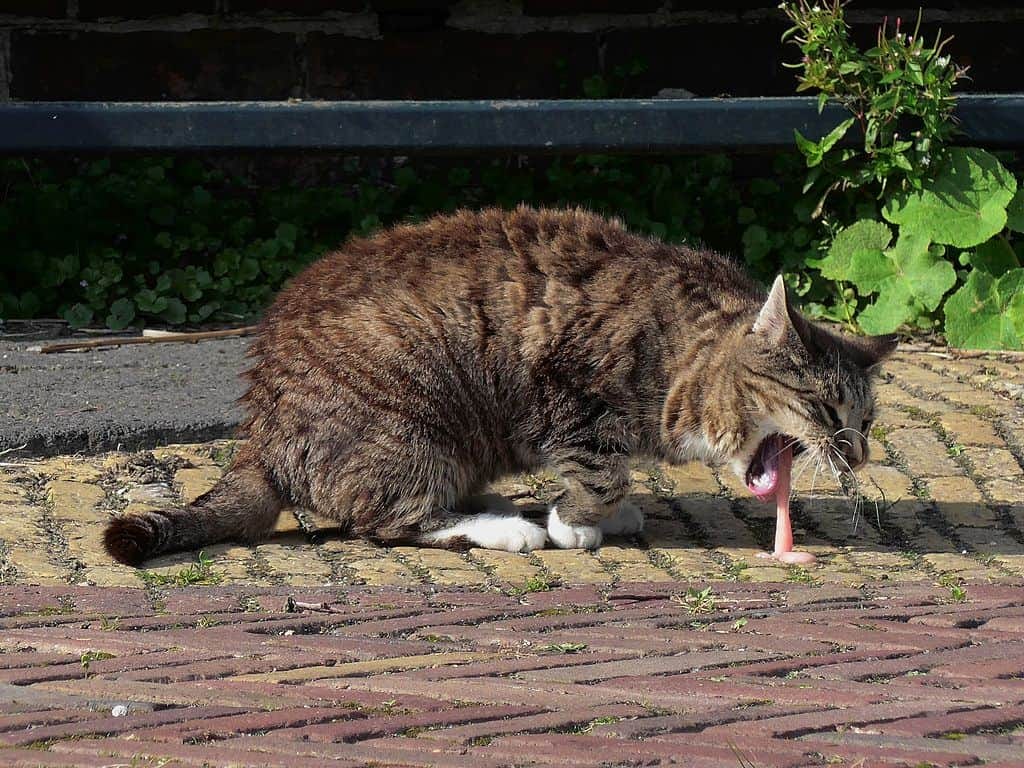
If your kitten eats something unsafe, contact a vet immediately.
Treats for Kittens
Treats are okay but should be given in small amounts. Too many treats can make your kitten overweight and reduce their appetite for regular food. Choose treats made specially for kittens and use them for training or bonding.
Tips for Feeding Kittens at Home
Here are some simple and helpful tips:
- Keep fresh water available at all times
- Wash food bowls daily
- Choose high-quality kitten food
- Avoid sudden changes in diet
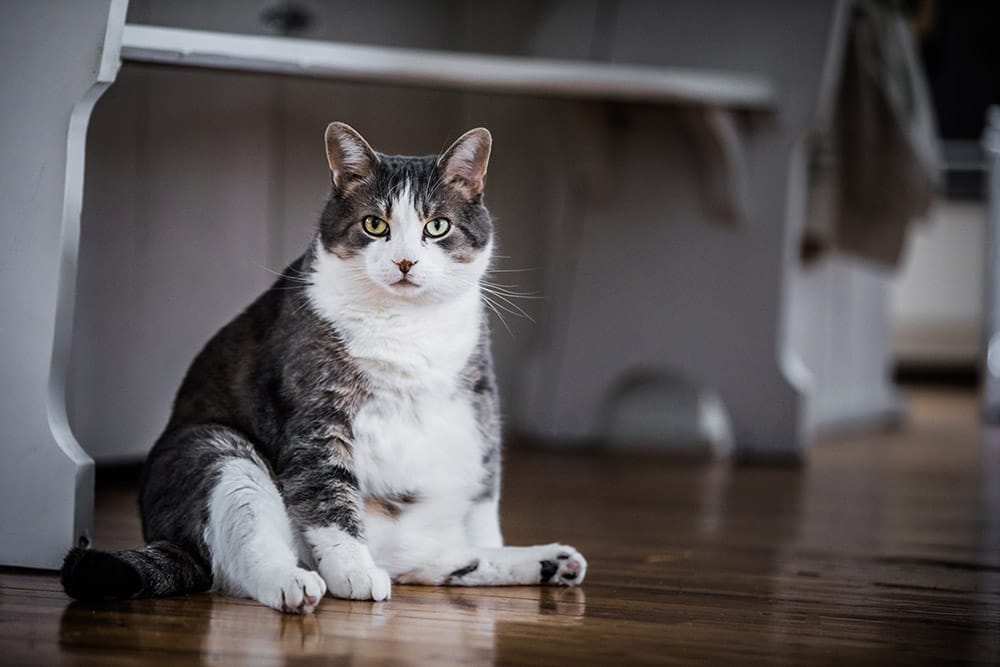
- Monitor your kitten’s weight and energy
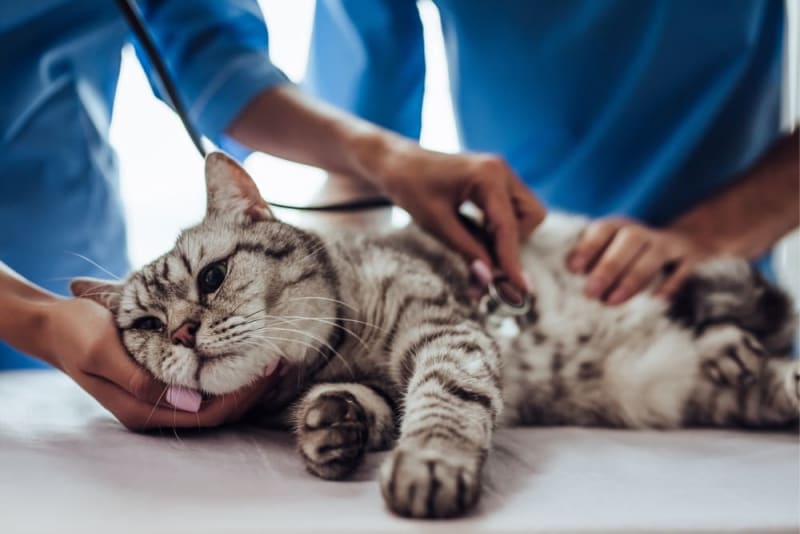
- Visit a vet for regular check-ups
If you want to change the food, do it slowly over 7–10 days. Mix a little of the new food with the old food and increase the amount day by day.
Conclusion
Feeding your kitten the right food is one of the best ways to keep it healthy and happy. Kittens need special nutrition to support their fast growth. Whether you choose dry food, wet food, or a combination of both, make sure it is labelled “kitten food” and contains high protein, good fat, and essential nutrients like Maurine.
Avoid giving unsafe human foods and always provide clean water. With the right diet, your kitten will grow into a strong, active, and loving adult cat. Good nutrition today means good health for life.
If you want, I can also make this article shorter, turn it into a blog post, or format it for a school assignment!