
Introduction
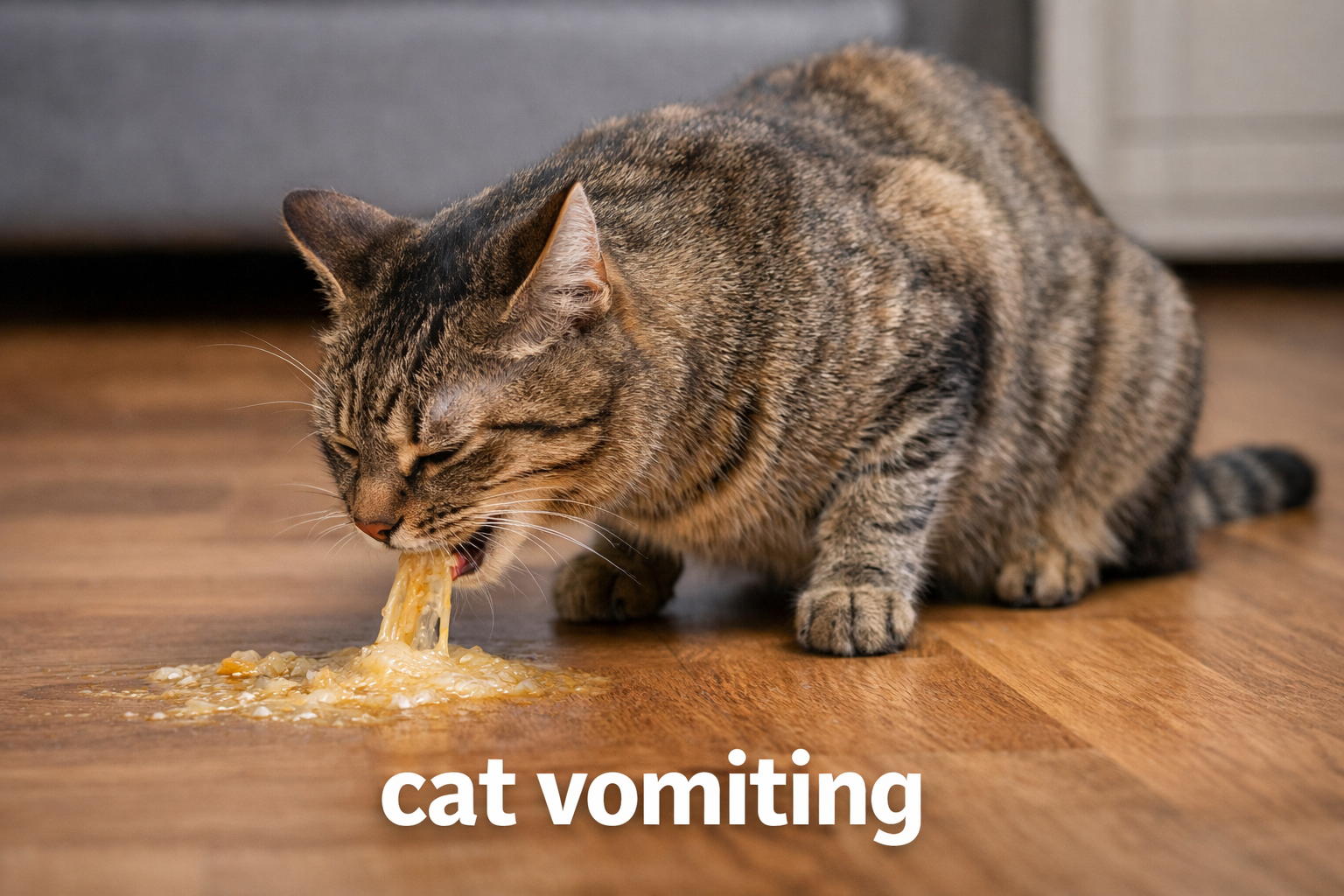
If your cat ate something toxic, it can quickly become a frightening situation.how to make a cat vomit. Many pet owners search for ways to make a cat vomit or induce vomiting in cats, but acting safely is far more important than acting fast. Cats metabolise toxins differently than humans, and improper methods can cause aspiration pneumonia, stomach burns, or severe dehydration. Always consult a licensed veterinarian before attempting any home remedies. This guide explains how to recognise poisoning signs, take safe emergency steps, and provide recovery support after vomiting.
When You Should Be Concerned If Your Cat Eats Something Toxic
Cats often ingest harmful items like human medications, chocolate, grapes, cleaning chemicals, or toxic houseplants. Some toxins act quickly, while others take hours to show symptoms.how to make a cat vomit. If your cat exhibits drooling, vomiting, lethargy, tremors, or unusual breathing, it may indicate feline toxin ingestion. Emergency care for cats is essential in these situations. Instead of trying unsafe DIY methods like hydrogen peroxide for cats or salt water vomiting, contacting a licensed veterinarian ensures that any veterinary induced vomiting is both safe and effective. Acting promptly can prevent severe complications.
Signs Your Cat May Need Emergency Care
Recognizing the signs of poisoning early can save your cat’s life. Watch for persistent vomiting, drooling, tremors, lethargy, or laboured breathing. Even if your cat appears normal, toxins may still be affecting internal organs.how to make a cat vomit. Avoid home remedies, as improper induction can lead to aspiration pneumonia or stomach injuries. Early veterinary intervention ensures safe toxin removal and reduces health risks associated with feline toxin ingestion.
Should You Try to Make Your Cat Vomit at Home?
Many cat owners wonder if they can safely make their cat vomit at home. While hydrogen peroxide is sometimes suggested online, it can be dangerous if administered incorrectly.how to make a cat vomit. Salt, finger stimulation, or other home remedies can cause serious injury. Only a licensed veterinarian can determine if vomiting should be induced, which method to use, and how to monitor your cat safely. Expert veterinary guidance ensures your cat avoids further complications.
How Veterinarians Safely Induce Vomiting in Cats
Veterinarians may use emetic drugs like dexmedetomidine, xylazine, or hydromorphone, depending on your cat’s health and the toxin ingested.how to make a cat vomit. These procedures are performed under professional supervision, often with sedation or vital sign monitoring. Following vomiting, vets may administer activated charcoal or IV fluids to reduce further toxin absorption. Veterinary induced vomiting is much safer than any home remedy, combining medical expertise with practical experience to protect your cat.
Dangerous Home Remedies You Should Never Try
Many online guides suggest hydrogen peroxide for cats, salt, or manual induction, but these methods can be life-threatening. Risks include aspiration, stomach burns, or severe bleeding. Professional veterinary care is far safer and more effective. Avoid myths from the internet, and rely on licensed veterinary advice during emergencies.
What to Do Immediately If Your Cat Swallows Something Harmful
Remove any remaining toxins from your cat’s reach.
Call your vet or emergency pet clinic immediately.
Keep the packaging to identify the substance.
Avoid unsafe home remedies like hydrogen peroxide.
Monitor your cat closely for symptoms.
Tip: Maintain a first-aid checklist for cat emergencies to act quickly and safely.
Recovery After Inducing Vomiting in Cats
Once vomiting is complete, your cat needs monitoring and care. Watch for:
-
Return of appetite
-
Hydration levels
-
Energy and activity
Some cats may remain slightly lethargic for a few hours. If vomiting persists or symptoms worsen, contact your vet immediately. Supportive care and observation help ensure a full recovery after veterinary induced vomiting.
How to Help Your Cat Feel Better After Vomiting
-
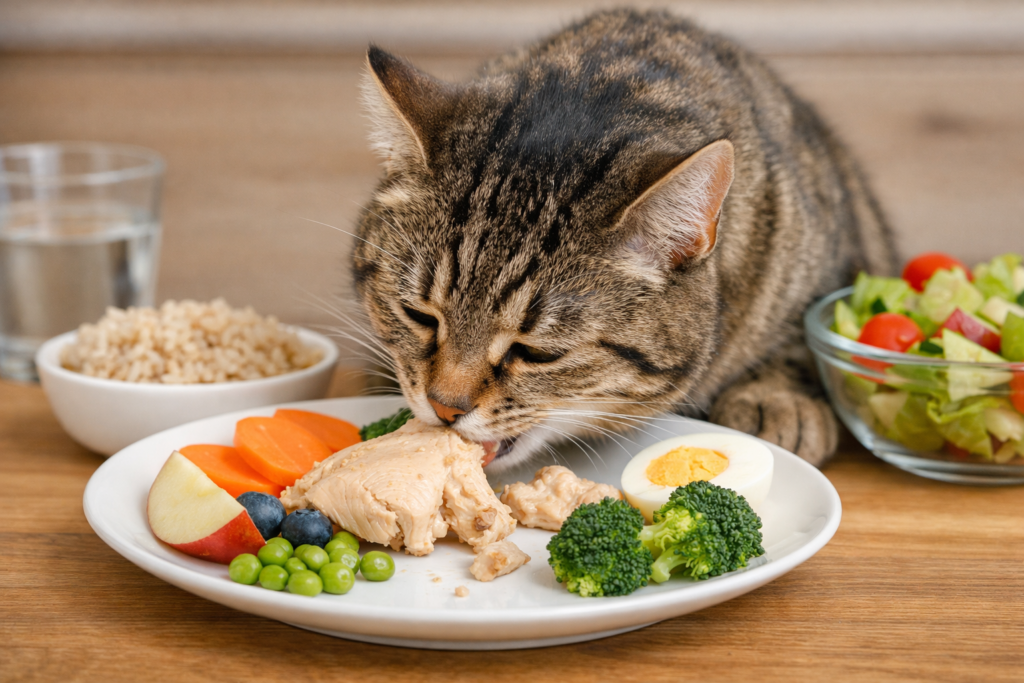
Offer small, bland meals such as boiled chicken or rice, under veterinary guidance.
-
Ensure plenty of fresh water is available.
-
Keep your cat in a quiet, stress-free environment.
Additional tip: Certain foods can soothe a cat’s stomach and reduce nausea, aiding a faster recovery.
When Vomiting Treatment Fails: What Happens Next
If induced vomiting does not remove the toxin entirely, veterinarians may use:
-
Activated charcoal to absorb remaining toxins
-
IV fluids to prevent dehydration
-
Hospitalization for close monitoring and treatment
These steps help manage feline toxin ingestion safely and minimise the risk of long-term health issues.
Long-Term Prevention Tips to Avoid Future Poisoning
-
Remove toxic foods and plants from your home.
-
Store medications and chemicals safely out of reach.
-
Supervise playtime with strings, rubber bands, or small objects.
-
Maintain a pet-proofed home environment.
Pro tip: Keep a cat emergency kit with essentials for poisoning or injuries. Preventing accidents is always safer than treating them.
Conclusion
Dealing with toxin ingestion in cats can be stressful, but knowing the right steps ensures your pet’s safety.how to make a cat vomit. Recognizing early poisoning symptoms, avoiding unsafe home remedies, and seeking licensed veterinary care for vomiting induction are key. After vomiting, provide hydration, comfort, and recovery support. Finally, preventive measures and a prepared home reduce the risk of future poisoning. By following these expert tips, you can protect your cat and ensure their health and well-being for years to come.