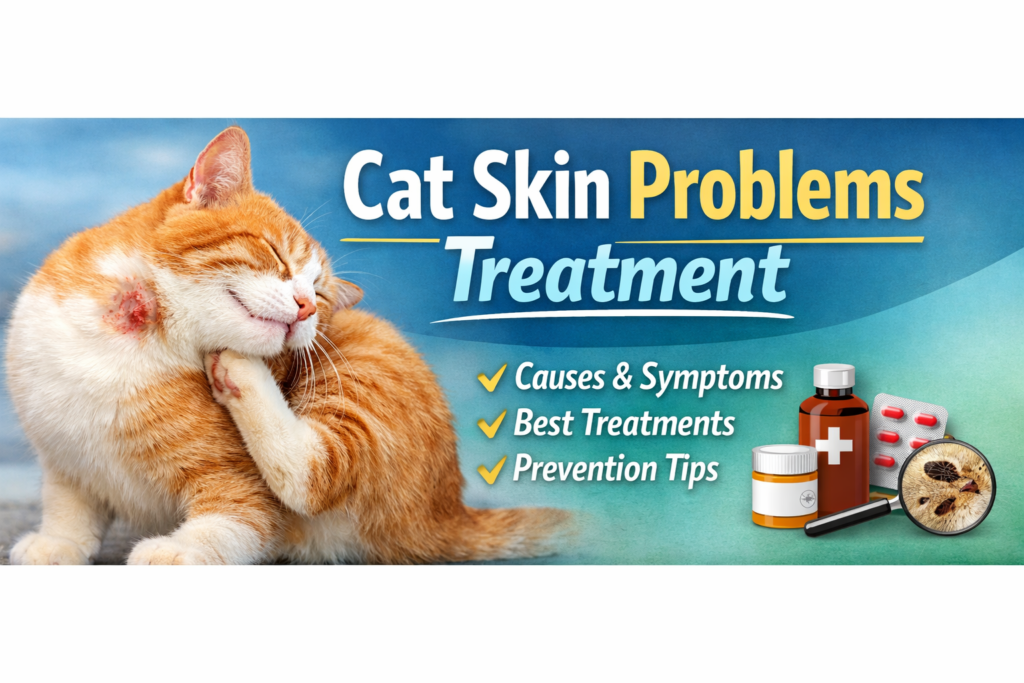

Cat Skin Problems Treatment Causes, Symptoms & Best Solutions
Cat skin problems are very common, but many owners feel confused about the right cat skin problems treatment. Issues like itchy skin, hair loss patches, skin rash, or scabs on cat skin can signal infections, allergies, or parasites. Based on common pet-care experience, early attention often prevents minor irritation from turning into painful wounds or chronic skin disease. This guide explains symptoms, causes, the best treatment for cat skin infections, and safe ways to protect your cat’s long-term skin health.
Why Cat Skin Problems Should Never Be Ignored
Cat skin problems treatment should start early because small issues can quickly become serious. Many pet owners notice itchy skin, redness, or hair loss patches in cats, but delay action thinking it is normal grooming. In reality, untreated cat skin conditions like bacterial skin infection, fungal infection, or flea allergy dermatitis can lead to wounds, stress, and pain. Excessive scratching may even cause bleeding or scabs. If you understand the early signs of skin problems in cats, you can choose the best treatment for cat skin infections and protect your pet’s comfort and long-term skin health.
Quick Symptoms Checklist
Recognizing symptoms early helps you start the right cat skin problems treatment. Many pet owners first notice constant scratching, licking, or biting the skin during normal daily routines. From practical pet-care observation, these early behavior changes often appear before visible wounds develop. You may also see redness, scabs on cat skin, dandruff, inflamed patches, or hair loss, which can indicate cat skin infection, allergies, or parasite irritation. If a bad odor, swelling, or open sores appear, responsible care means seeking veterinary advice quickly to prevent complications.
Most Common Causes of Cat Skin Problems
Understanding the cause helps you choose the correct cat skin irritation treatment.
Parasites (Fleas, Mites, Ticks)
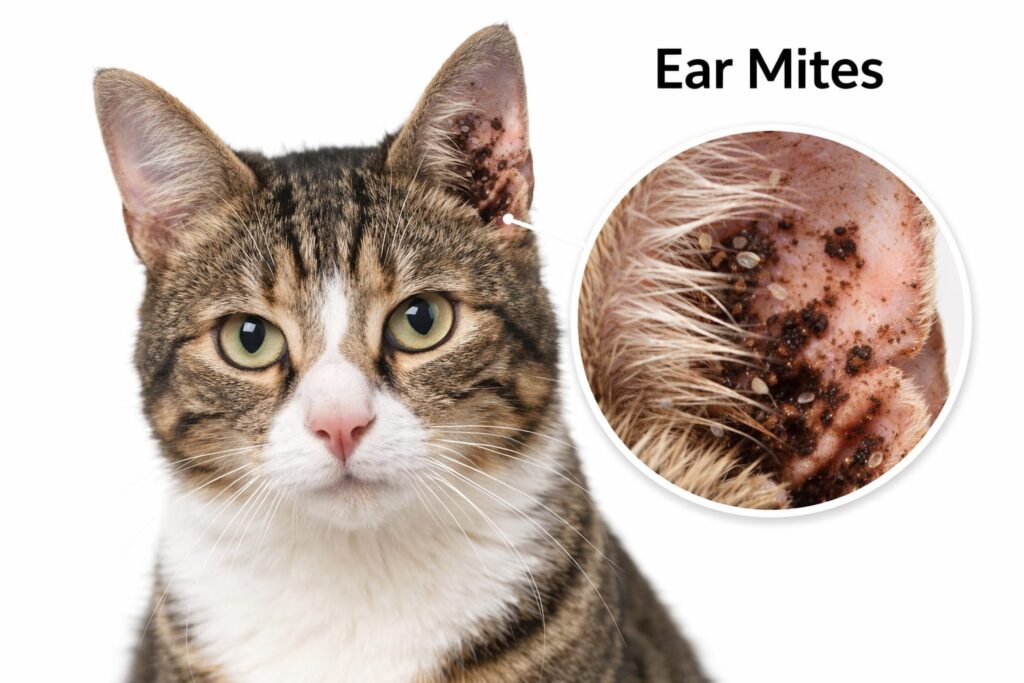
Parasites are a leading cause of itchy skin treatment in cats. Flea bites can trigger flea allergy dermatitis, causing intense scratching and wounds.
Bacterial Skin Infection in Cats
Cuts, bites, or untreated irritation can lead to bacterial skin infection cats, resulting in swelling, pus, or painful skin lesions.
Fungal Infections (Ringworm)
Ringworm creates circular hair loss patches and dry, scaly skin that spreads quickly.
Allergies (Food & Environmental)
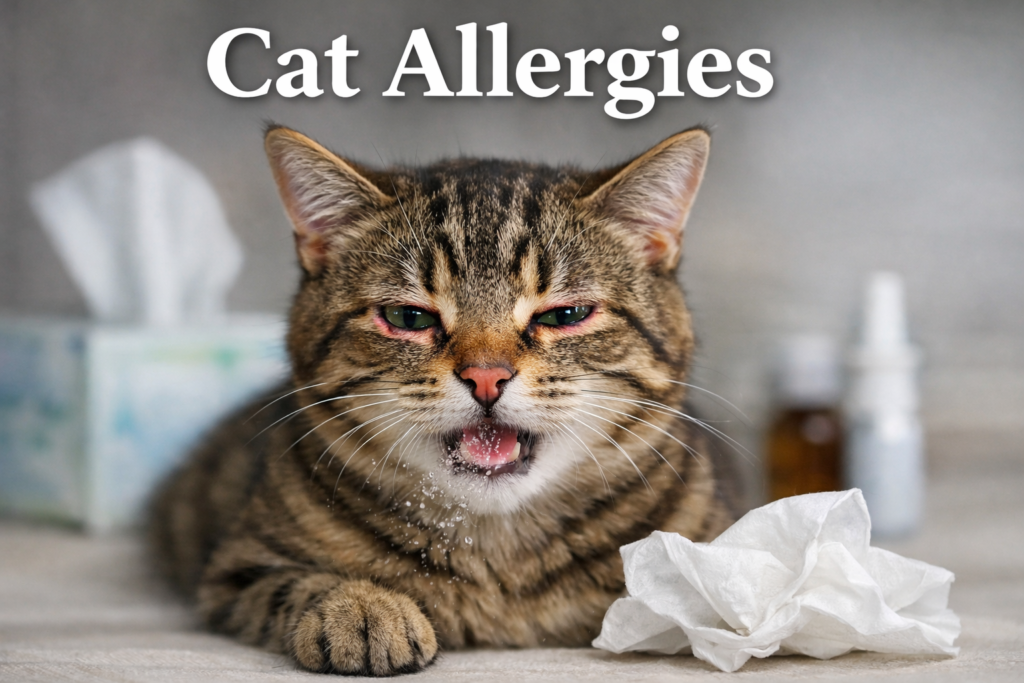
Food intolerance, dust, pollen, or chemicals can cause cat skin allergy treatment needs.
Nutritional Deficiencies
Poor diet may weaken the skin barrier and coat condition.
Some cats also develop hormonal or immune-related skin disorders, which require professional diagnosis.
How Vets Diagnose Skin Problems in Cats
Experienced veterinarians rely on proper testing rather than guessing, especially for severe cat skin disease treatment. Diagnosis may include:
Skin scraping for mites
Fungal culture tests
Allergy evaluation
Blood tests or biopsy in complex cases
Accurate diagnosis ensures safe and targeted treatment instead of trial-and-error remedies.
Best Treatment for Cat Skin Infections
Treatment depends on the root cause.
Medicated Shampoos & Topical Creams
Special shampoos help relieve dry skin in cats, dandruff, and mild infections.
Antibiotic Therapy
Used for bacterial skin infection treatment in cats when wounds or pus are present.
Anti fungal Treatments
Essential for ringworm and other fungal diseases.
Anti-Itch Medication
Helps control excessive scratching and prevents skin damage.
In most cases, noticeable healing begins within 1–3 weeks, but full recovery may take longer depending on severity.
Safe Home Remedies for Cat Skin Problems
Some natural options may support healing.
Oatmeal baths for soothing itchy cat skin
Coconut oil for mild dryness
Regular flea control
However, applying strong human creams or essential oils can worsen skin infections — careful home care is important.
Diet & Nutrition for Healthy Cat Skin
Nutrition plays a major role in cat dermatological health.
Omega-3 fatty acids improve skin hydration
High-quality protein supports wound healing
Adequate water intake maintains skin elasticity
Many pet owners notice improved coat shine and reduced scratching after consistent dietary adjustments.
Prevention Checklist to Avoid Future Skin Problems
Maintain regular grooming routine
Use parasite prevention products
Clean bedding and living areas
Monitor seasonal allergy triggers
Preventive care is often more effective than repeated treatment cycles.
When to Take Your Cat to the Vet Immediately
Seek veterinary help if you notice:
Bleeding wounds
Rapid hair loss
Swelling or pus
Loss of appetite or lethargy
Timely professional treatment can prevent serious complications and long-term skin disease.
FAQ – Cat Skin Problems Treatment
Why is my cat scratching so much?
It may be due to fleas, allergies, or infection.
Can fleas cause skin infections in cats?
Yes, excessive scratching can lead to wounds and bacterial infection.
How long do cat skin infections last?
Mild cases heal in weeks, severe cases may need extended treatment.
What is the best shampoo for cat skin allergies?
A vet-recommended medicated shampoo is usually safest.
Conclusion
In summary, cat skin problems treatment requires careful observation, early action, and the right combination of home care and veterinary support. Recognizing symptoms like itchy skin, hair loss patches, redness, or scabs allows owners to address issues before they worsen. From practical experience, maintaining a healthy diet, regular grooming, and parasite control are essential for long-term skin health. For serious or persistent conditions such as bacterial skin infection or fungal infection, consulting a veterinarian promptly ensures safe and effective recovery, keeping your cat comfortable and healthy.