
Cat Heart Failure: Symptoms, Treatment & Life Expectancy Explained
Introduction
If you’ve recently searched for cat heart failure, you’re probably worried about your pet and that’s completely understandable. Heart failure in cats can sound frightening, but with the right knowledge, you can better understand what’s happening and how to help. Many cat owners first notice subtle changes like low energy or breathing issues, which may point to congestive heart failure in cats or other forms of heart disease in cats. In this guide, you’ll learn the symptoms, causes, treatment for heart failure in cats, and most importantly, how long a cat can live with heart failure in simple terms.
What Is Heart Failure in Cats?
Heart failure in cats happens when the heart can’t pump blood properly to the body. It often develops from underlying heart disease in cats, such as hypertrophic cardiomyopathy, which veterinarians frequently identify as a leading cause. Based on veterinary guidance and clinical research, this condition can progress slowly, making early awareness extremely important for cat owners. In many cases, this leads to congestive heart failure in cats, where fluid builds up in the lungs or chest, causing breathing problems. In my experience researching feline health topics, understanding these early changes helps owners seek timely treatment and improve their cat’s comfort and quality of life.
Types of Heart Failure in Cats
There are different types of cat heart failure, and each affects the body in slightly different ways. The most common form is congestive heart failure in cats, where fluid buildup causes breathing difficulties. This can be divided into:
- Left-sided heart failure – fluid collects in the lungs
- Right-sided heart failure – fluid builds up in the abdomen
According to veterinary sources, identifying the type of heart failure helps determine the most effective treatment for heart failure in cats. Early diagnosis can make a significant difference in managing symptoms.
Early Signs of Heart Failure in Cats (Often Missed)
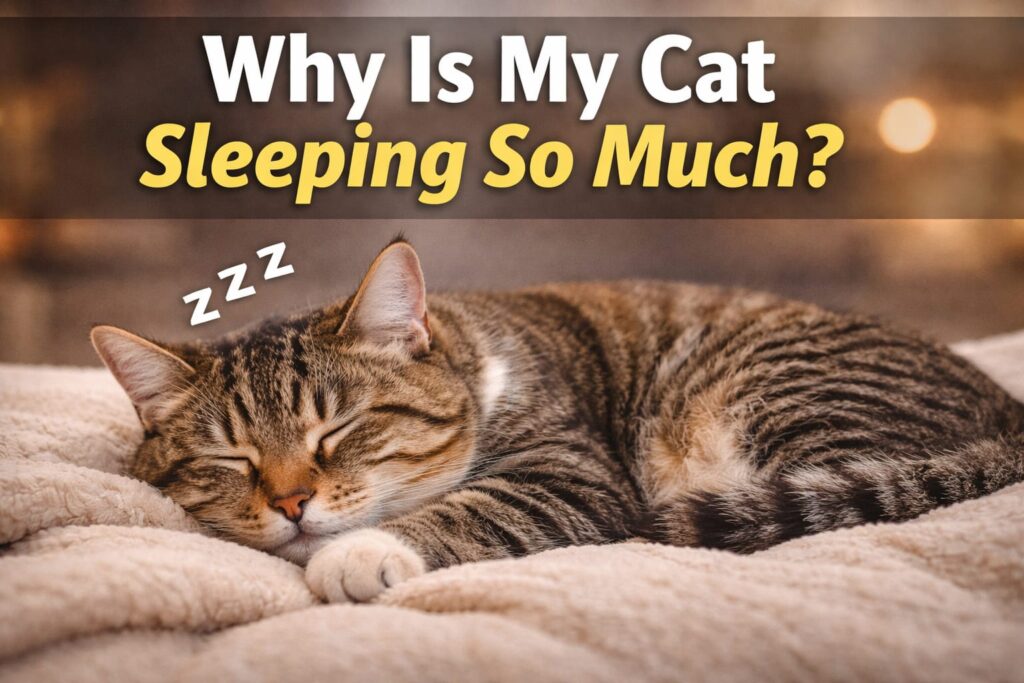
The early signs of heart failure in cats are often subtle and easy to overlook. Your cat may seem slightly less active or sleep more than usual.
Common early symptoms include:
- Mild lethargy
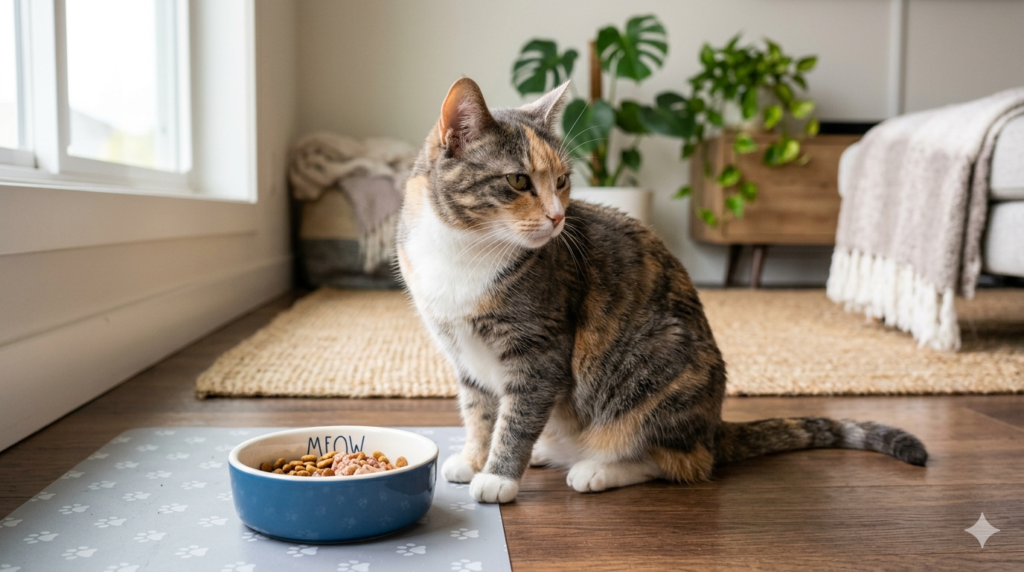
- Reduced appetite
- Slight weight loss
From a pet care perspective, these small changes are often the first warning signs that something isn’t right. Recognizing these early can help you seek medical advice before the condition worsens.
Common Symptoms of Heart Failure in Cats
As cat heart failure progresses, symptoms become more noticeable. One of the most common signs is difficulty breathing.
Watch for:
- Rapid or laboured breathing
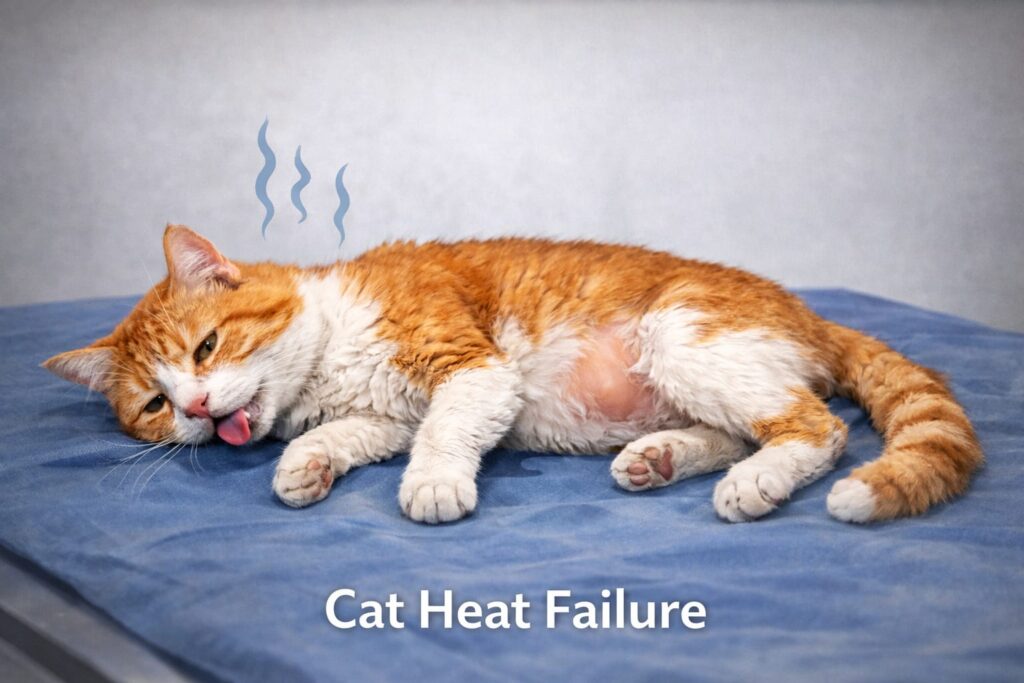
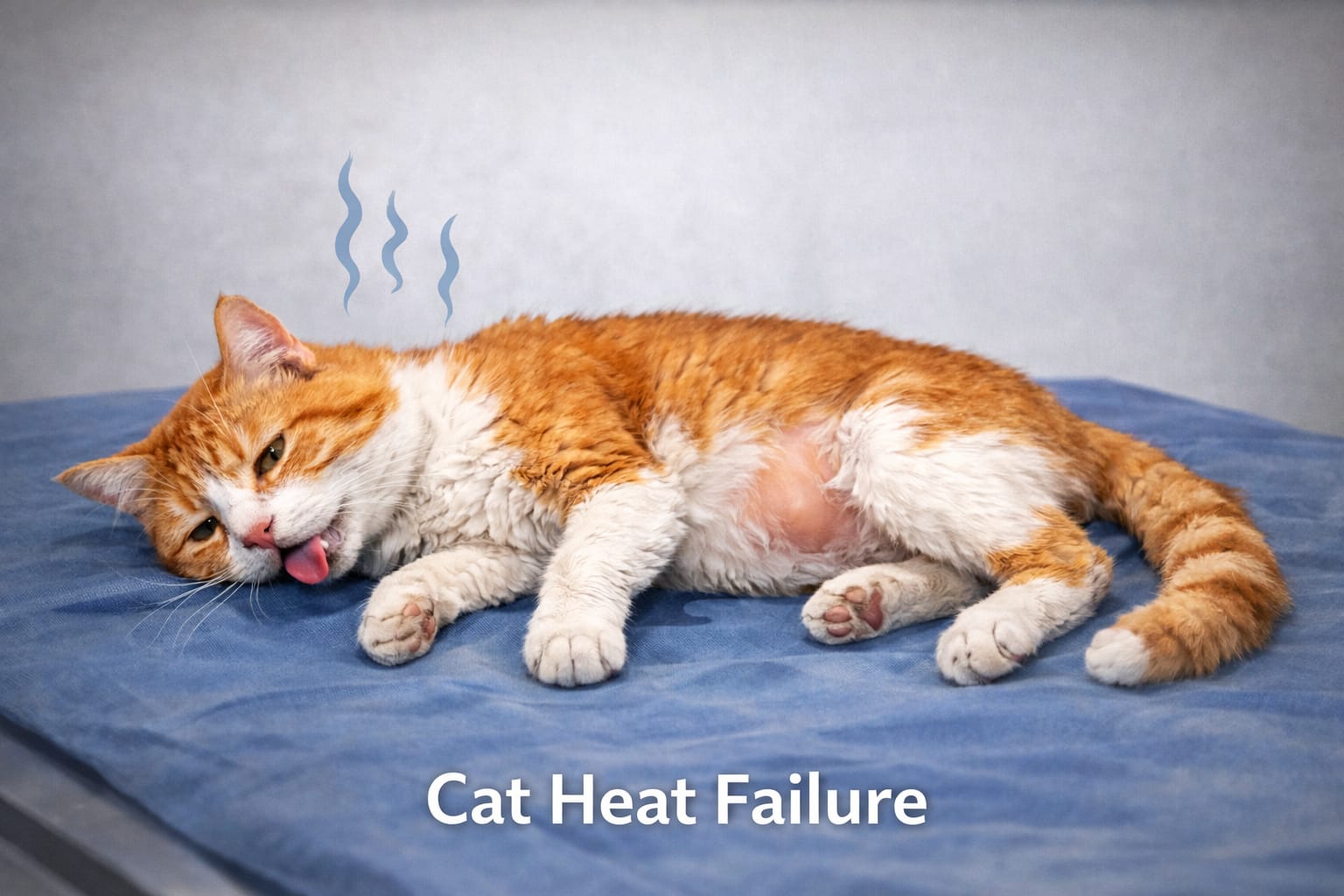
- Open-mouth breathing (emergency sign)
- Severe lethargy
- Loss of appetite
- Fluid buildup in chest
Veterinarians emphasize that breathing problems are one of the most critical symptoms of heart failure in cats and should never be ignored. If your cat shows these signs, immediate care is essential.
What Causes Heart Failure in Cats?
There are several causes of heart disease in cats that can lead to heart failure.
Common causes include:
- Hypertrophy cardiomyopathy (HCM)
- High blood pressure
- Thyroid disease
Clinical studies show that HCM is the leading cause of heart failure in cats, especially in certain breeds. Understanding these causes helps in early prevention and management.
How Vets Diagnose Heart Failure in Cats
Diagnosing heart failure in cats requires proper veterinary testing. A vet will usually perform:
- Physical examination
- Chest X-rays
- Echo cardiogram (heart ultrasound)
According to veterinary best practices, echo cardiograms are one of the most reliable ways to confirm heart disease in cats. Early diagnosis leads to better outcomes and more effective treatment for heart failure in cats.
Treatment for Heart Failure in Cats
There is no complete cure for cat heart failure, but treatment can greatly improve your cat’s quality of life.
Common treatments include:
- Medications (diuretics, heart drugs)
- Oxygen therapy
- Long-term care
Veterinarians commonly prescribe medications to reduce fluid buildup and help the heart function more efficiently. With proper care, many cats can live comfortably for months or even years.
Cost of Treating Heart Failure in Cats
The cost of treatment for heart failure in cats can vary depending on severity and location.
- Initial diagnosis: moderate to high cost
- Monthly medication: ongoing expense
From a practical standpoint, being financially prepared helps ensure consistent care, which is critical for managing heart failure in cats effectively.
How Long Can a Cat Live with Heart Failure?
One of the most common questions is: how long can a cat live with heart failure?
The answer depends on:
- Stage of disease
- Response to treatment
- Overall health
- Early-stage: months to years
- Advanced stage: weeks to months
Veterinary data suggests that early diagnosis and proper treatment significantly improve life expectancy in cats with heart failure.
Final Stages of Heart Failure in Cats
In the final stages, symptoms become more severe.
Signs include:
- Extreme breathing difficulty
- Weakness
- Loss of appetite
At this stage, the focus shifts to comfort and quality of life rather than cure.
When to Consider Euthanasia
This is one of the hardest decisions for pet owners.
Veterinarians recommend considering euthanasia when a cat is in constant distress, struggling to breathe, or no longer enjoying life.
Making this decision is deeply personal, but it’s often the most compassionate choice.
Emergency Symptoms You Should Never Ignore
Some symptoms of heart failure in cats require immediate attention:
- Open-mouth breathing
- Collapse
- Severe distress
These are medical emergencies, and immediate veterinary care can save your cat’s life.
How to Care for a Cat with Heart Failure at Home
Caring for a cat with heart disease in cats requires consistency and attention.
Tips include:
- Keep stress low
- Give medications on time
- Monitor breathing
From experience in pet care research, a calm and stable environment greatly improves a cat’s comfort and well-being.
Best Diet for Cats with Heart Disease
Diet plays an important role in managing cat heart failure.
- Low sodium food
- High-quality nutrition
Veterinary nutrition guidelines often recommend specialized diets to support heart health in cats.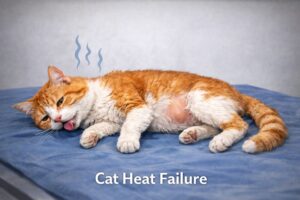
Can Heart Failure in Cats Be Prevented?
While not always preventable, you can reduce risks by:
- Regular vet checkups
- Early detection
- Healthy lifestyle
Preventive care is one of the most effective ways to reduce the severity of heart disease in cats over time.
FAQs
Can cats recover from heart failure?
No, but treatment for heart failure in cats can help manage symptoms.
Is heart failure painful for cats?
It can cause discomfort, especially breathing issues.
Why is my cat breathing fast?
It may be a sign of congestive heart failure in cats.
Conclusion
Cat heart failure is a serious condition, but with early detection, proper care, and the right treatment for heart failure in cats, your pet can still live a comfortable life. Understanding the symptoms and knowing how long a cat can live with heart failure helps you make informed and compassionate decisions. Always consult your veterinarian if you notice any warning signs your quick action can make all the difference.