

Introduction
If your cat has suddenly started scratching more than usual, it’s natural to wonder: can house cats get lice? As a pet owner, I’ve seen this question come up a lot, especially from people who keep their cats strictly indoors.
The truth is simple yes, cats can get lice, even indoor ones. It doesn’t happen often, but it does happen when parasites find a way into the home through bedding, grooming tools, or contact with another infected animal.
From a veterinary point of view, cat lice are species-specific parasites, which means they usually stay within cats and don’t jump to humans. Understanding how they behave helps you catch the problem early and treat it properly.
Can Indoor Cats Really Get Lice?
Indoor cats are safer, but they’re not completely protected.
In my experience working with pet owners, most infestations in indoor cats happen without any outdoor exposure at all. That surprises people.
Veterinarians explain that lice usually spread through indirect contact, not the environment outside.
Here’s how indoor cats can still pick them up:
- Shared blankets or bedding with infected animals
- Grooming brushes or combs that weren’t cleaned properly
- A new rescue or adopted cat carrying parasites
- Soft furniture or fabrics exposed to infected pets
Even a very clean home doesn’t fully remove the risk of lice in cats, especially in multi-pet households.
What Exactly Are Cat Lice?
Cat lice are tiny, wingless insects that live in a cat’s fur and feed on skin debris. This condition is known in veterinary medicine as feline pediculosis.
There are two main types:
- Chewing lice – feed on skin flakes and debris
- Sucking lice – feed on blood (less common in cats)
From a clinical perspective, cat lice are fairly easy for vets to spot during a physical exam. They tend to stay close to the skin, especially around the neck, ears, and head area.
Unlike fleas, lice don’t jump or fly. They move slowly, which is actually one of the easiest ways to tell the difference.
How Do House Cats Get Lice?
A common misconception is that only outdoor or stray cats get parasites. That’s not true.
Even well-groomed indoor cats can develop lice under the right conditions.
Common causes include:
- Direct contact with an infected animal
- Sharing grooming tools or bedding
- Poor coat maintenance or matting
- Stress or weakened immune system
In veterinary practice, lice spread is almost always linked to close physical contact, not dirty environments alone.
So yes, even house cats can get lice it just takes the right exposure.
What Do Cat Lice Look Like?
Cat owners often miss lice at first because they’re small and blend into the fur.
They usually appear as:
- Tiny, pale or light-colored insects attached to hair
- White specks (lice eggs or nits) stuck to fur strands
- Small clusters near ears, neck, or tail base
One important detail vets often point out: lice eggs don’t brush off easily like dandruff. They stick firmly to the hair shaft.
That’s one of the biggest clues when trying to tell lice apart from simple dry skin.
Cat Lice Symptoms
Spotting cat lice symptoms early makes treatment much easier.
Here’s what to look for:
- Constant scratching or biting at the skin
- Overgrooming in certain areas
- Patchy hair loss or thinning coat
- Dry, rough, or unhealthy-looking fur
- Skin redness or irritation
- Restlessness or discomfort
- Visible white specks in the fur
In more advanced cases, veterinarians often see secondary skin infections caused by constant scratching. That’s why early attention matters.
Cat Lice vs Fleas: How to Tell the Difference
This is where many cat owners get confused.
From a veterinary standpoint, here’s how they differ:
- Fleas jump; lice crawl slowly
- Fleas are darker; lice are lighter in color
- Flea bites are more irritating and sudden
- Lice stay attached to fur, fleas don’t
Correct identification matters because treatment plans are not the same. In clinics, misdiagnosis is one of the most common issues pet owners face before coming in.
Can Humans or Dogs Catch Lice From Cats?
This is one of the biggest fears people have.
The good news is simple: cat lice are highly species-specific.
- They do not live on humans
- They do not complete their life cycle on human skin
- They rarely transfer to dogs, and if they do, they don’t survive long
Parasitology studies confirm that feline lice cannot sustain themselves outside their host species.
So while cats can spread lice to each other, humans are generally safe.
Best Treatment for Cat Lice
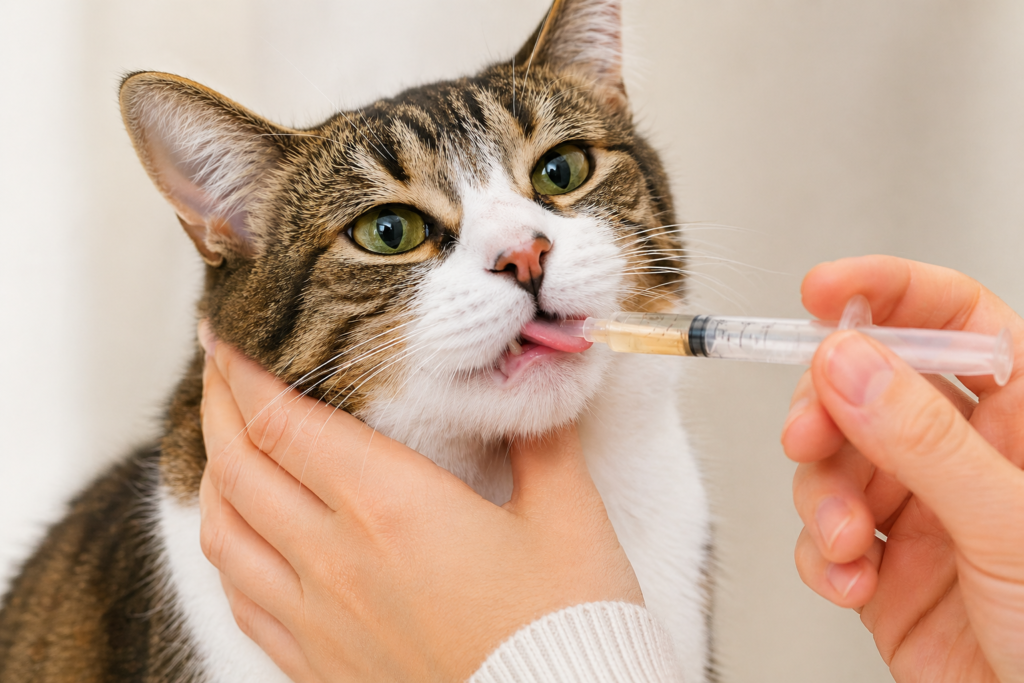
Treatment should always be guided by a veterinarian.
Common options include:
- Prescription parasite medications
- Medicated cat shampoos
- Spot-on topical treatments
- Flea and lice control products
From professional experience, one important warning: never use human lice products on cats. Some ingredients can be toxic for them.
Most cats start improving within a few weeks if treatment is done correctly and consistently.
Step-by-Step Home Cleaning After Lice
Cleaning the environment is just as important as treating the cat.
Here’s what actually works in real homes:
- Wash all bedding in hot water
- Vacuum carpets, sofas, and corners
- Clean grooming tools thoroughly
- Disinfect cat resting areas
- Repeat cleaning during treatment phase
In real veterinary cases, reinfestation often happens when cleaning is incomplete, not because treatment failed.
How to Prevent Lice in Indoor Cats
Prevention is easier than dealing with an infestation.
Practical steps include:
- Regular brushing and grooming
- Cleaning bedding frequently
- Checking new pets before introducing them
- Routine vet checkups
- Using parasite prevention products if recommended
Even indoor cats benefit from preventive care because parasites can still enter through indirect contact.
When Should You See a Vet?
You should not wait too long if you notice:
- Severe or nonstop scratching
- Hair loss spreading quickly
- Red or irritated skin
- Symptoms lasting more than a few days
- Very young or elderly cats showing signs
Early diagnosis helps prevent complications like infections or worsening skin damage.
Common Myths About Cat Lice
Let’s clear up a few misunderstandings:
Myth 1: Indoor cats cannot get lice
Not true. Indoor cats can still get exposed indirectly.
Myth 2: Cat lice spread to humans
False. They are species-specific.
Myth 3: Fleas and lice are the same
Completely different parasites with different treatments.
In veterinary practice, misinformation often delays proper care more than the parasite itself.
Frequently Asked Questions
Can clean house cats get lice?
Yes, cleanliness doesn’t guarantee protection from exposure.
Can cat lice live in carpets?
Only briefly. They need a host to survive long-term.
How long do cat lice survive?
Usually just a few days without a host.
Can indoor cats get parasites?
Yes, including lice and fleas.
Do lice go away on their own?
No, treatment is required for full recovery.
Final Takeaway
So, can house cats get lice? Yes even indoor cats are not completely immune.
The key is understanding cat lice symptoms, identifying the problem early, and using proper treatment instead of guessing or delaying care.
From a veterinary standpoint, most cases are fully treatable when handled early. With the right grooming habits, hygiene, and prevention steps, your cat can stay comfortable, healthy, and parasite-free.