
Why Isn’t My Cat Eating? Causes, Warning Signs & What to Do
Introduction
If you’re wondering, “why isn’t my cat eating?”, you’re not alone many cat owners worry when their pet suddenly loses interest in food. A cat not eating can happen for several reasons, from simple stress or food changes to more serious health issues. In some cases, your cat may not be eating but acting normal, which can feel confusing. While a short loss of appetite isn’t always dangerous, a cat’s loss of appetite lasting more than 24–48 hours could signal a problem. Understanding the reasons why your cat is not eating is the first step to helping them feel better.
Why Is My Cat Not Eating?
If your cat is not eating, the cause is usually linked to health, behavior, or environment. Common reasons why a cat is not eating include illness, stress, sudden food changes, or dental pain. Sometimes, a cat won’t eat simply because they dislike their food or their routine has changed. Based on veterinary guidance, even a short loss of appetite can be an early warning sign of underlying issues. Even if your cat is not eating but acting normal, it’s important to monitor closely and take changes seriously.Why Isn’t My Cat Eating.
10 Common Reasons Why Cats Stop Eating
There are many possible causes behind a cat not eating, and identifying the reason can help you take the right action.
1. Illness or Infection
Health problems like infections or fever often cause loss of appetite in cats. Veterinary experts note that reduced eating is often one of the first signs of illness.
2. Dental Pain
If your cat has tooth pain or gum disease, eating can become uncomfortable.
3. Stress or Anxiety
Changes like moving homes or new pets can lead to a stressed cat not eating.
4. Food Dislike or Change
A sudden switch in diet may cause your cat to refuse food suddenly.
5. Digestive Issues
Upset stomach or gastrointestinal problems can reduce appetite.
6. Ageing
An older cat not eating may eat less due to slower metabolism or health issues.
7. Vaccination Side Effects
Some cats experience mild appetite loss after vaccines.
8. Environmental Changes
Noise, temperature, or new surroundings can affect eating habits.
9. Parasites
Internal parasites can lead to reduced appetite and weight loss.
10. Medication Side Effects
Certain medications may cause your cat to stop eating temporarily.
Why Is My Cat Not Eating But Acting Normal?
It can be confusing when your cat is not eating but acting normal. In many cases, this could be due to minor stress, boredom with food, or subtle health issues. From a pet care perspective, early-stage illness may not show clear symptoms beyond appetite loss. Your cat may still play and behave normally while hiding discomfort.Why Isn’t My Cat Eating.
If your cat is eating less than usual but still active, monitor closely for 24 hours. If the behavior continues, it’s best to consult a vet to rule out hidden problems.
Is It Dangerous If My Cat Isn’t Eating?
Yes, it can be. A cat not eating for 2 days can develop serious health issues. One major risk is hepatic lipidosis, a liver condition that occurs when cats stop eating for too long.Why Isn’t My Cat Eating.
According to veterinary research, cats should not go without food for more than 24–48 hours. Unlike some animals, cats rely heavily on regular nutrition to maintain liver function. The longer your cat refuses food, the higher the risk.
Warning Signs You Should Never Ignore
If your cat won’t eat, watch for these serious symptoms:
- Cat not eating and vomiting
- Lethargy or weakness
- Rapid weight loss
- Hiding or avoiding interaction
- Diarrhea or dehydration
If you notice these signs, it’s strongly recommended to seek veterinary care immediately.
What You Can Do at Home
If your cat is not eating, there are safe steps you can try at home:
Warm the Food
Heating food slightly can make it more appealing.
Change Food Texture
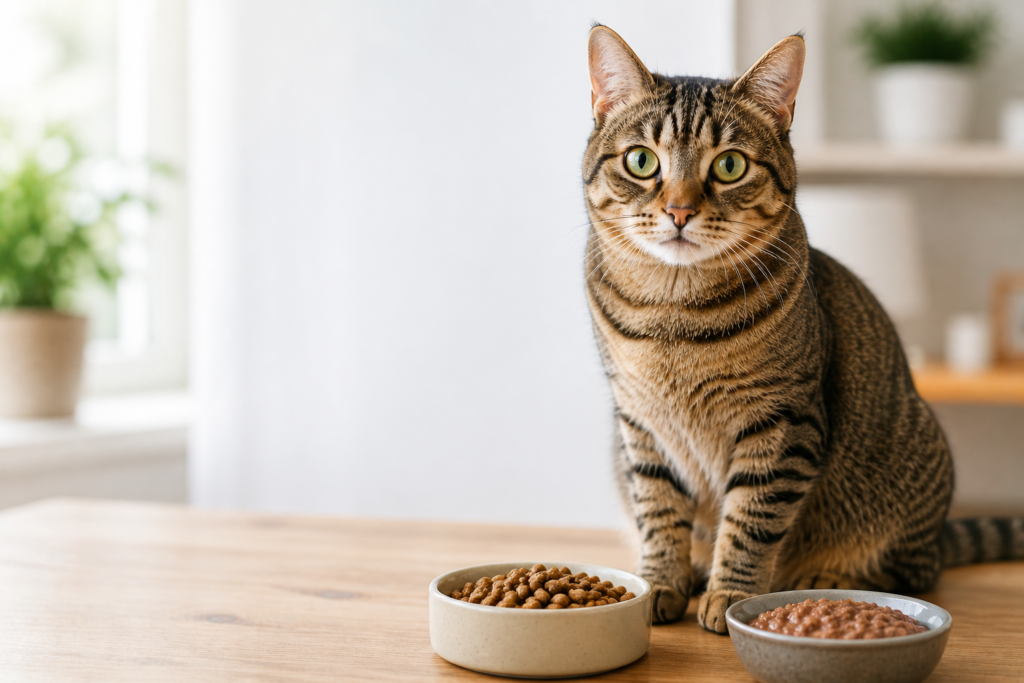
Some cats prefer wet food over dry food.
Reduce Stress
Create a calm feeding environment.
Clean Feeding Area
Cats are sensitive to cleanliness.
Try Different Flavours
Experiment with safe, high-quality options.
These methods are commonly recommended by veterinarians as first steps to encourage appetite safely.
When to Take Your Cat to the Vet
Knowing when to worry about your cat not eating is crucial.
You should contact a vet if:
- Your cat has not eaten for 24 hours
- A kitten is not eating (more urgent)
- There are symptoms like vomiting or weakness
- Your cat stopped eating suddenly
Veterinary professionals emphasize that early intervention can prevent serious complications.
How Long Can Cats Go Without Eating?
Cats should not go long without food. A healthy cat may survive a few days, but serious damage can begin quickly.
- 24 hours-Early concern
- 48 hours-High risk
- 72 hours-Emergency
From a clinical standpoint, prolonged fasting in cats can lead to life-threatening conditions. This is why even a short loss of appetite in cats should not be ignored.
What to Feed a Cat That Won’t Eat
If your cat won’t eat, try these options:
- Wet food (strong smell encourages eating)
- Warmed meals
- Soft, easy-to-chew food
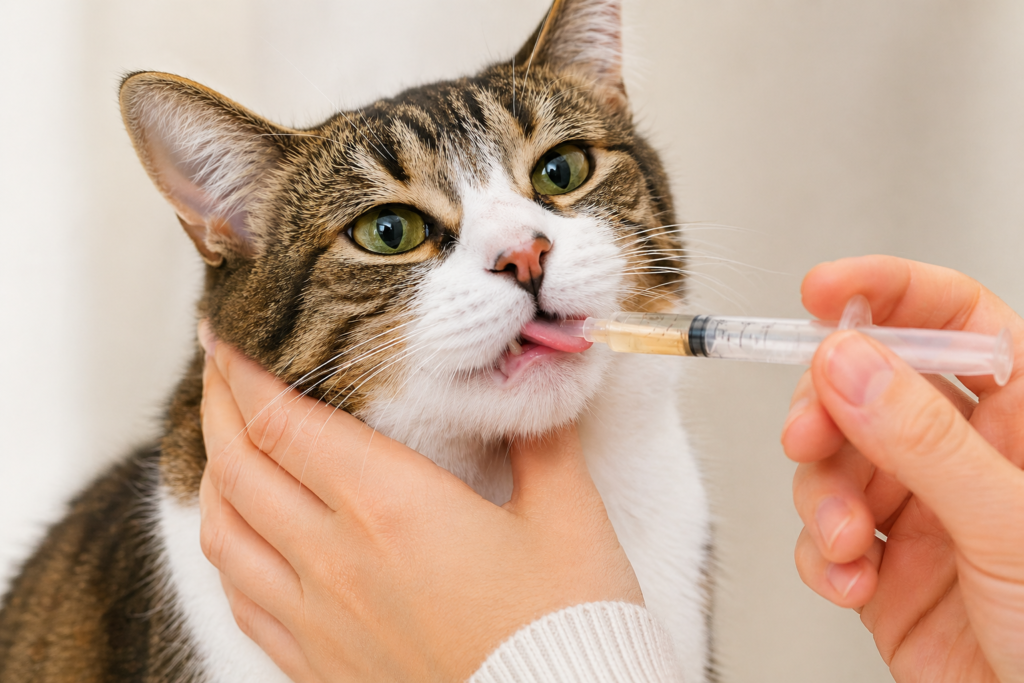
- Vet-approved appetite stimulants
Experts recommend offering small, frequent meals instead of forcing food. Never give human food without checking safety.
Can Stress or Depression Cause Cats to Stop Eating?
Yes, emotional health plays a big role. A cat hiding and not eating may be stressed or even depressed.
Triggers include:
- New environment
- Loss of a companion
- Loud noises
- Routine changes
Behavioural experts confirm that cats are sensitive animals, and stress can directly affect their eating habits. Helping your cat feel safe can restore appetite.
Preventing Appetite Loss in Cats
Prevention is always better than cure. To avoid cat appetite loss, follow these tips:
- Maintain a consistent feeding schedule
- Avoid sudden food changes
- Keep feeding areas clean
- Reduce environmental stress
- Provide balanced nutrition
Experienced pet owners and veterinarians agree that routine and stability are key to a healthy appetite.
FAQs
Why is my cat not eating but drinking water?
This may indicate mild illness or stress. If it continues, consult a vet.
How long can a cat go without eating?
Cats should not go more than 24–48 hours without food.
What can I feed a sick cat that won’t eat?
Try wet food, soft meals, or vet-recommended options.
Why is my kitten not eating?
Kittens need immediate attention if they stop eating, as they are more vulnerable.
Conclusion
A cat not eating can be worrying, but understanding the reasons why your cat is not eating helps you take the right steps.Why Isn’t My Cat Eating. While some causes are minor, others can be serious if ignored. From a responsible pet care perspective, it’s always better to act early rather than wait. If your cat refuses food for more than a day or shows unusual symptoms, don’t hesitate to seek veterinary advice. Your quick action can make all the difference in keeping your cat healthy and happy.