
Can Cats Eat Chicken Safely?
Introduction
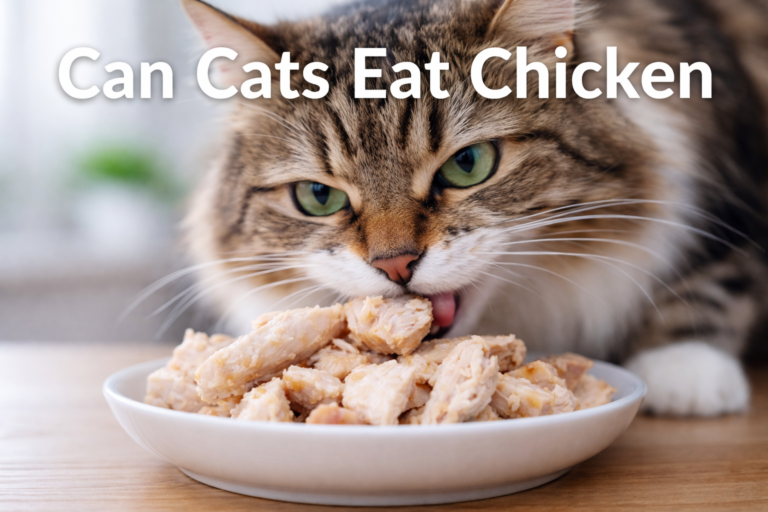
Yes, cats can eat chicken, and many owners offer it as a healthy treat. Chicken is a lean source of animal protein that helps support muscle growth and energy levels. However, feeding cooked chicken for cats safely is very important. Plain, unseasoned chicken without bones is usually the best option. Raw chicken may carry bacteria risks, while fried or salty chicken can upset digestion. When given in the right portion, chicken can be a nutritious addition to a balanced cat diet, but it should never replace complete commercial cat food.
Why Chicken Is Popular in Cat Diets
Chicken is commonly used in cat diets because cats are obligate carnivores and depend on animal-based protein. The lean protein in chicken for cats supports muscle maintenance, healthy weight, and daily activity. From a pet nutrition perspective, chicken offers high protein digestibility and essential amino acids that help maintain feline health. Many cat foods include chicken for this reason. Experienced pet owners often suggest giving plain chicken only as a supplement to a complete diet to avoid nutrient imbalance over time.
Nutritional Benefits of Chicken for Cats
Chicken provides several health benefits when served correctly.Can Cats Eat Chicken. It contains protein that supports tissue repair and energy production. The amino acids in chicken also help maintain a healthy immune system. Veterinary nutrition guidance often highlights lean protein sources like chicken to support muscle tone and recovery in active or underweight cats.
It is also relatively low in fat compared to fried human food, which makes it easier for cats to digest. However, chicken alone does not contain all nutrients, especially taurine balance found in complete cat diets.
Can Cats Eat Cooked Chicken?
Yes, cooked chicken for cats is usually the safest option. Owners should choose plain boiled, baked, or grilled chicken without spices, salt, oil, onion, or garlic.Can Cats Eat Chicken. These ingredients can be harmful and cause stomach upset. Simple preparation methods recommended by experienced pet caregivers include thoroughly cooking chicken and cutting it into small pieces to reduce choking risk.
Boiled chicken is often considered best because it contains less fat and is gentle on digestion. This makes it useful even when cats have mild stomach issues or reduced appetite.
Can Cats Eat Raw Chicken?
Some people believe raw diets are natural, but raw chicken for cats can carry bacteria like Salmonella or parasites. These risks may lead to vomiting, diarrhea, or infection. Pet health experts commonly advise caution with raw feeding unless guided by a veterinary nutrition plan.
In addition, raw bones may splinter and cause injury inside the digestive tract. For most pet owners, feeding fully cooked chicken remains the safer and more practical choice.
Can Cats Eat Chicken Bones or Skin?
Chicken bones are one of the biggest dangers.Can Cats Eat Chicken. They can cause choking, mouth injuries, or intestinal blockage. Cooked bones are especially risky because they become brittle. Animal care professionals frequently warn that even small bone fragments can create serious digestive emergencies.
Chicken skin is high in fat and seasoning when taken from table food. Too much fatty food may lead to stomach upset or long-term weight gain. It is best to remove both bones and skin before feeding chicken to cats.
How Much Chicken Can Cats Eat? (Portion Guide)
Chicken should only be a treat and not a full meal. Experts often recommend keeping treats below 10% of daily calorie intake. Overfeeding chicken may reduce appetite for balanced cat food.
Simple Portion Idea:
- Small cats: 1–2 small bite-sized pieces
- Medium cats: 2–3 pieces
- Large cats: 3–4 pieces
Experienced pet nutrition writers suggest starting with small amounts and observing digestion before increasing portions.
Best Way to Prepare Chicken for Cats (Step-By-Step)
- Remove all bones and skin
- Cook chicken thoroughly
- Avoid seasoning, oil, or sauces
- Cut into small soft pieces
- Serve occasionally, not daily
This simple method helps reduce choking risk and improves digestion. Many owners prefer boiled chicken because it stays soft and easy to chew.
When Chicken Can Be Dangerous for Cats
Chicken may become unsafe if served improperly. Signs of food intolerance include vomiting, diarrhea, or lethargy. High-fat chicken can also increase the risk of pancreatitis or obesity if fed frequently. Pet wellness guidance consistently emphasises moderation and careful monitoring when introducing new foods like chicken.
If a cat shows severe symptoms or refuses food after eating chicken, professional veterinary advice should be considered.
Can Sick or Senior Cats Eat Chicken?
Plain boiled chicken is sometimes given to cats recovering from mild illness because it is easy to digest. Senior cats may also benefit from soft protein sources. From a care giving standpoint, many experienced cat owners use small portions of boiled chicken to encourage appetite during recovery.
However, long-term feeding without balanced nutrients can lead to deficiencies, so chicken should remain a temporary supplement rather than a permanent diet.
Chicken Treat vs Complete Meal
Chicken alone cannot meet all nutritional needs. Cats require taurine, vitamins, minerals, and balanced fat levels found in commercial cat food. Feline nutrition experts often explain that homemade treats like chicken should complement not replace a complete diet.
Using chicken as an occasional reward helps maintain variety without risking nutrient imbalance or weight problems.
Alternatives to Chicken for Cats
If cats do not tolerate chicken well, other lean proteins may be safer options. Turkey, fish, or specially formulated cat treats can provide similar benefits. Pet diet planning advice usually recommends rotating protein sources to prevent food sensitivity and improve nutritional diversity.
Always introduce new foods gradually to avoid digestive upset.
FAQ Can Cats Eat Chicken?
Can cats eat chicken daily?
No, daily feeding may cause nutritional imbalance. Chicken should be an occasional treat.
Can kittens eat chicken?
Yes, but only small amounts of soft cooked chicken along with proper kitten food.
Can cats eat rotisserie chicken?
It is not recommended because of salt, spices, and high fat content.
What should I do if my cat eats a chicken bone?
Monitor for choking, vomiting, or discomfort and seek veterinary help if symptoms appear.
Conclusion
Chicken can be a safe and nutritious treat when served correctly. Plain cooked chicken for cats supports protein intake and energy, but moderation is essential. Avoid bones, seasoning, and large portions to reduce health risks. Responsible pet feeding involves balancing treats like chicken with complete commercial cat food to maintain long-term feline wellness. By following safe preparation and portion guidelines, owners can confidently include chicken as part of a healthy and enjoyable cat diet.