
Introduction
If you’ve recently adopted a kitten, one of the most common questions you may ask is how much food should a kitten eat. Proper nutrition during the early months is essential because kittens grow quickly and need the right balance of calories, protein, and nutrients. Understanding how much to feed a kitten and following a simple kitten feeding guide can help support healthy development. Many new pet owners also wonder about the right kitten feeding schedule and how often should a kitten eat each day. In this guide, you’ll learn how much food a kitten should eat per day, along with practical tips for feeding kittens properly.
How Much Food Should a Kitten Eat Per Day
The amount of food a kitten needs depends on its age, weight, and activity level. In general, how much food should a kitten eat per day is based on the calories needed to support rapid growth. Most young kittens need about 150–250 calories daily, while older kittens may require 300–400 calories. When deciding how much to feed a kitten, always check the food label and follow a reliable kitten feeding guide.
From my experience researching kitten nutrition and feeding guidelines recommended by veterinarians, providing the right portion size each day plays a key role in supporting healthy development. Feeding kittens balanced meals at the correct amount helps maintain steady growth and prevents both overfeeding and underfeeding.How Much Food Should a Kitten Eat
Kitten Feeding Chart by Age and Weight
A kitten feeding chart by age makes it easier to understand how much food a kitten should eat. Kittens grow quickly, so their kitten daily food intake increases as they get older.
| Kitten Age | Average Weight | Food Per Day | Meals Per Day |
|---|---|---|---|
| 4–8 weeks | 0.5–1 lb | Small portions of soft food | 4–5 meals |
| 2–3 months | 2–3 lbs | 150–200 calories | 4 meals |
| 3–6 months | 3–6 lbs | 200–300 calories | 3 meals |
| 6–12 months | 6–10 lbs | 300–400 calories | 2–3 meals |
Based on common veterinary feeding recommendations, kittens need multiple small meals because their stomachs are small but their energy needs are high. Following a proper kitten feeding chart by weight and age helps ensure balanced growth.
How Often Should You Feed a Kitten
Many pet owners ask how often should kittens eat during the day. Since kittens burn energy quickly, they need frequent meals.
A simple kitten feeding schedule looks like this:
4–8 weeks: 4–5 meals daily
2–3 months: 4 meals daily
3–6 months: 3 meals daily
6 months and older: 2–3 meals daily
- How Much Food Should a Kitten Eat
In my experience reviewing kitten feeding routines recommended by pet nutrition experts, smaller meals throughout the day help maintain stable energy levels and prevent digestive issues. Feeding kittens regularly also helps establish a healthy eating routine.
Wet Food vs Dry Food – How Much Should a Kitten Eat
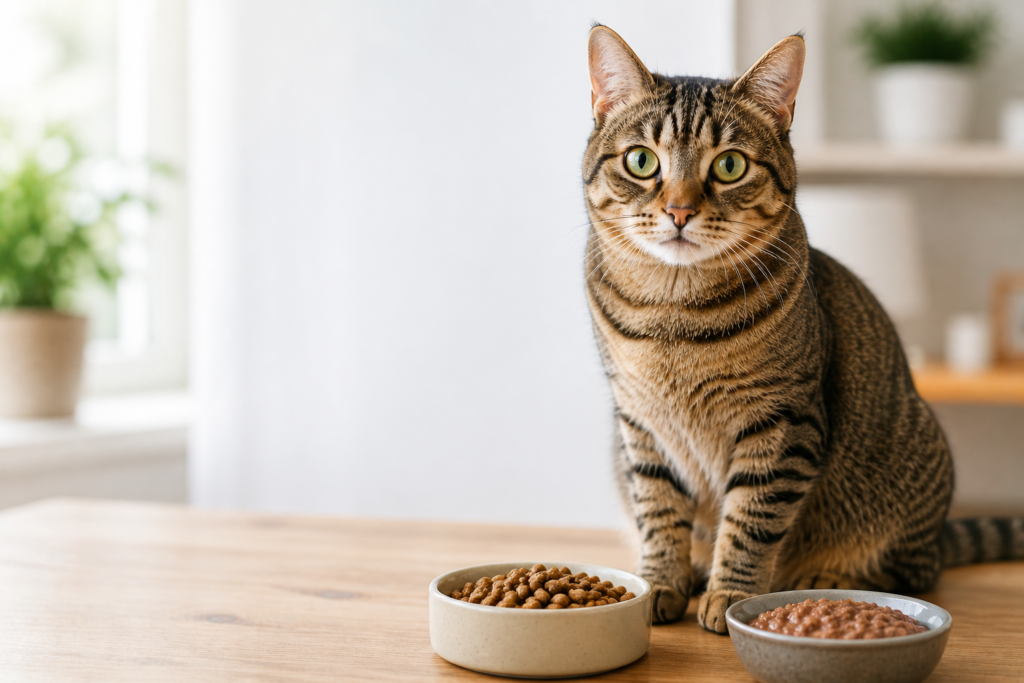
When feeding kittens, many owners wonder about wet vs dry kitten food portions. Both options can provide proper nutrition, but the portion sizes are different.How Much Food Should a Kitten Eat
Wet food contains more moisture and usually fewer calories per serving. Dry food is more calorie-dense, so kittens may eat smaller portions.
Example portion comparison:
Wet food: about 3–4 small cans per day depending on calories
Dry food: about ½ to ¾ cup daily depending on weight
From a nutritional perspective, many veterinarians recommend a combination of wet and dry food because it supports hydration while also providing concentrated nutrients. Choosing high-quality kitten food helps support healthy kitten growth stages.
Factors That Affect How Much a Kitten Eats
Not every kitten eats the same amount. Several factors influence how much food a kitten should eat per day.
Age
Younger kittens require more frequent feeding because they grow rapidly.
Weight
A kitten’s body weight affects its calorie needs. Larger kittens typically need more food.
Activity Level
Very playful kittens burn more energy and may require additional calories.
Breed
Some breeds grow larger and need slightly more nutrition during development.
Health Condition
If a kitten is sick or recovering from illness, feeding needs may change.
Based on common veterinary feeding practices, adjusting food portions according to a kitten’s growth and activity level helps maintain a balanced kitten diet.
Signs You Are Feeding Your Kitten Too Much
Overfeeding can cause health problems such as obesity or digestive issues. Watch for these signs:
Rapid or excessive kitten weight gain
Vomiting after meals
Reduced activity
Large belly appearance
In my experience reviewing kitten health guidelines, overfeeding often happens when owners give too many treats or allow unlimited access to food. Monitoring your kitten’s weight helps ensure proper nutrition.
Signs Your Kitten Is Not Eating Enough
Underfeeding can slow a kitten’s development and lead to nutritional deficiencies. Signs of underfeeding include:
Visible ribs or spine
Constant hunger or begging for food
Slow or poor growth
Low energy levels
Veterinary nutrition advice often emphasis that growing kittens require consistent calorie intake to support healthy muscle and bone development. If you suspect your kitten is underfed, adjusting portion sizes or consulting a vet is recommended.
How Many Calories Does a Growing Kitten Need
A growing kitten needs significantly more energy than an adult cat. This is because kittens are developing muscles, bones, and organs.
Typical kitten calorie needs include:
2–3 months: about 150–200 calories per day
3–6 months: about 200–300 calories per day
6–12 months: about 300–400 calories per day
From my experience studying kitten nutrition guidelines, feeding high-protein kitten food is important because it supports muscle growth and healthy metabolism. Always check the food label to understand the calorie content.
When Can Kittens Start Eating Solid Food
Many people wonder when kittens can eat solid food. The transition from milk to solid food usually begins around 4 weeks of age.
At this stage:
Start offering soft kitten food mixed with water or milk replace.
Gradually reduce the liquid as the kitten grows.
By 8 weeks, most kittens can eat regular kitten food.
Experienced breeders and veterinarians often recommend a slow transition to prevent stomach upset and help kittens adapt to new textures.
When to Switch From Kitten Food to Adult Cat Food
Kittens should eat specialised kitten food during their first year because it contains more calories and nutrients.
Most cats can switch to adult food at 12 months of age.
However, some larger breeds may need kitten food longer.
From a nutritional standpoint, kitten formulas contain higher protein and fat levels, which are essential for proper growth and development during the first year of life.
Expert Tips for Feeding Kittens Properly
Here are a few helpful tips to improve your kitten feeding routine:
Always provide fresh water.
Measure food portions carefully.
Feed kittens at the same time each day.
Choose high-quality kitten food with balanced nutrients.
Avoid feeding adult cat food too early.
In my experience reviewing kitten care recommendations, maintaining a consistent feeding routine helps kittens develop healthy eating habits and prevents digestive issues.
Common Kitten Feeding Mistakes
New pet owners sometimes make mistakes when feeding kittens.
Common mistakes include:
Overfeeding treats
Switching foods too quickly
Giving adult cat food too early
Free feeding without monitoring portions
Veterinary nutrition experts often recommend gradually introducing new foods and carefully measuring portions to avoid digestive problems and weight issues.
Frequently Asked Questions
How much wet food should a kitten eat?
Most kittens eat 2–4 small cans per day, depending on their calorie needs and age.
How much dry food should a kitten eat?
Typically ½ to ¾ cup per day, but always check the feeding guidelines on the food packaging.
Can kittens overeat?
Yes, kittens can overeat if food is constantly available. Controlled portion sizes help prevent weight gain.
Should kittens have food available all day?
Young kittens sometimes benefit from multiple meals, but scheduled feeding is usually healthier.
Conclusion
Understanding how much food should a kitten eat is essential for supporting healthy growth and development. A proper kitten feeding guide includes the right portion size, a balanced kitten feeding schedule, and high-quality nutrition. By monitoring your kitten’s daily food intake, following a kitten feeding chart by age, and paying attention to weight and energy levels, you can ensure your kitten grows into a healthy adult cat. With the right feeding routine and proper nutrition, your kitten will have the best start in life.