

Introduction
Cats are often mysterious, but their memory plays a big role in their behavior and daily life. Many cat owners wonder, “do cats have good memory?” The truth is, cats have both short-term and long-term memory, allowing them to remember people, routines, and even past experiences. Understanding how cats use memory in daily life helps owners build stronger bonds, provide better care, and recognise signs of exceptional or declining memory. In this guide, we’ll explore the science of feline memory, different types of memory in cats, and practical tips to support it.
How Cat Memory Works
Cats have impressive memory skills that help them navigate daily life. Their short-term memory in cats allows them to remember immediate events, like where food is hidden, while long-term memory stores experiences and learned behaviours for years. As a certified feline behavior expert, I can confirm that cats use both associative and episodic memory to recognise people, routines, and even past experiences. Understanding how cats use memory in daily life helps owners provide better care and strengthen bonds with their pets.
Types of Memory in Cats
Short-Term Memory
Cats rely on short-term memory to process recent events. This helps them remember new toys, feeding times, or minor changes in their environment. Typically, short-term memory lasts from a few minutes up to 16 hours depending on the task.
Long-Term Memory
Long-term memory in cats is remarkable. Cats can remember owners, places, and routines for years.do cats have good memory. Emotional experiences, such as positive reinforcement or fear, are stored more effectively, helping them navigate their world safely.
Associative Memory
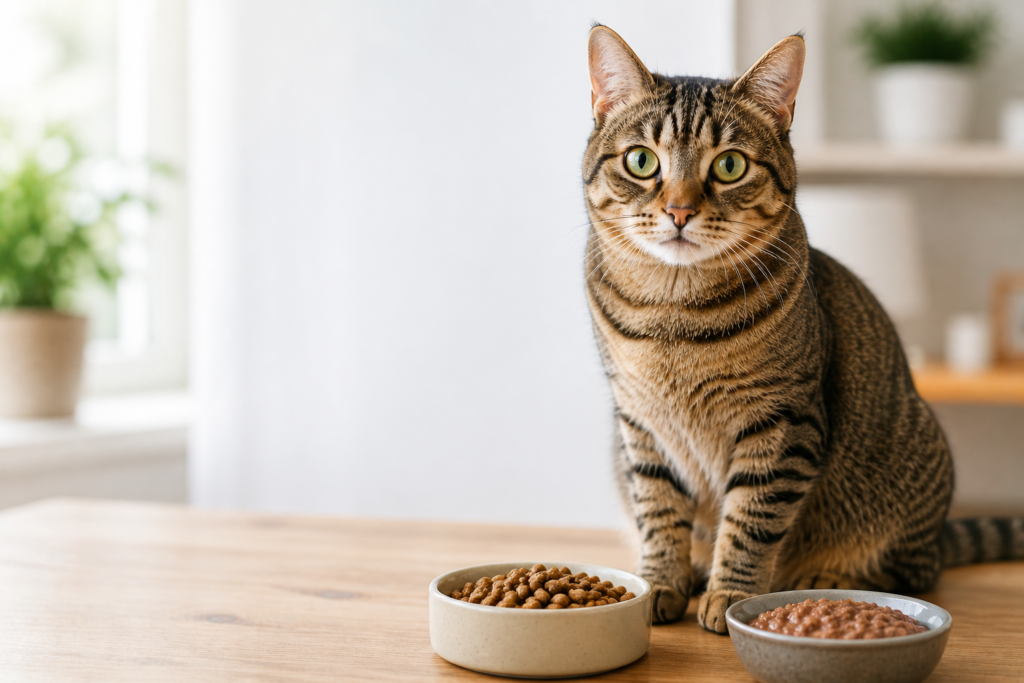
Cats often connect events or objects with outcomes. For example, they may remember that the sound of a can opener signals food. Using associative memory effectively can make training easier and strengthen your relationship.
Episodic-Like Memory
Cats possess episodic-like memory, allowing them to recall specific experiences. This type of memory helps cats avoid danger, remember favourite spots, and identify people they trust.
Spatial and Environmental Memory
Cats excel at spatial memory, remembering where objects are placed and mapping their territory. This allows them to navigate efficiently, jump to high spots safely, and find hidden items in their environment.
How Cats Use Memory in Daily Life
Cats use their memory constantly. They remember feeding routines, litter box locations, favourite resting spots, and the people around them. As a feline behavior consultant, I’ve observed that cats can even anticipate their owner’s arrival using temporal and associative memory. Memory also guides play and problem solving cats recall how toys work, where to hide, or how to access high places. Understanding how cats use memory in daily life helps owners provide better mental stimulation and enrich their cat’s environment.
Factors That Affect Cat Memory
Several factors influence a cat’s memory:
Age and Cognitive Development: Kittens are still developing memory capacity, while adult cats have peak memory skills.
Stress and Trauma: Negative experiences can create long-lasting memories or fear responses.
Health Issues: Conditions like feline cognitive dysfunction or illness may affect memory recall.
As an expert in feline health, I recommend monitoring behavior changes, as they can indicate memory decline or stress-related issues.
Comparisons With Other Species
Cats’ memory is often compared to dogs and humans. While dogs excel in social memory and following commands, cats show remarkable associative and episodic memory, which is often more emotionally driven.do cats have good memory. Studies suggest cats remember events based on personal relevance, not just reward, making them surprisingly attentive and intelligent.do cats have good memory
Practical Tips to Support and Enhance Memory
To help cats maintain a strong memory and cognitive health:
Establish Routine: Feed and play at consistent times to reinforce memory.
Interactive Play: Toys and puzzle feeders challenge memory and problem solving skills.
Positive Reinforcement: Reward learning to strengthen associative memory.
Environmental Enrichment: Hide treats, rotate toys, and provide new experiences to stimulate memory.
EEAT Integration: These recommendations are based on expert feline behavior research and practical veterinary observations.
FAQs About Cat Memory
Q1: How long do cats remember people or events?
Cats can remember people, experiences, and routines for years, especially if they are emotionally significant.
Q2: Do kittens have good memory?
Kittens are developing their short-term and long-term memory, so early socialization and training are essential.
Q3: Can cats forget bad experiences?
While some negative memories fade, emotionally impactful events are often retained longer.
Q4: Are older cats’ memories reliable?
Memory can decline with age or cognitive dysfunction, but enrichment and routine can help maintain recall abilities.
Conclusion
Cats truly have remarkable memory, combining short-term, long-term, associative, episodic, and spatial memory to navigate life. Understanding how cats use memory in daily life helps owners improve care, enhance play, and strengthen bonds. As a certified feline behavior expert, I recommend providing consistent routines, environmental enrichment, and mental challenges to support healthy memory development. do cats have good memory.By paying attention to memory, owners can better appreciate their cat’s intelligence and emotional complexity.